


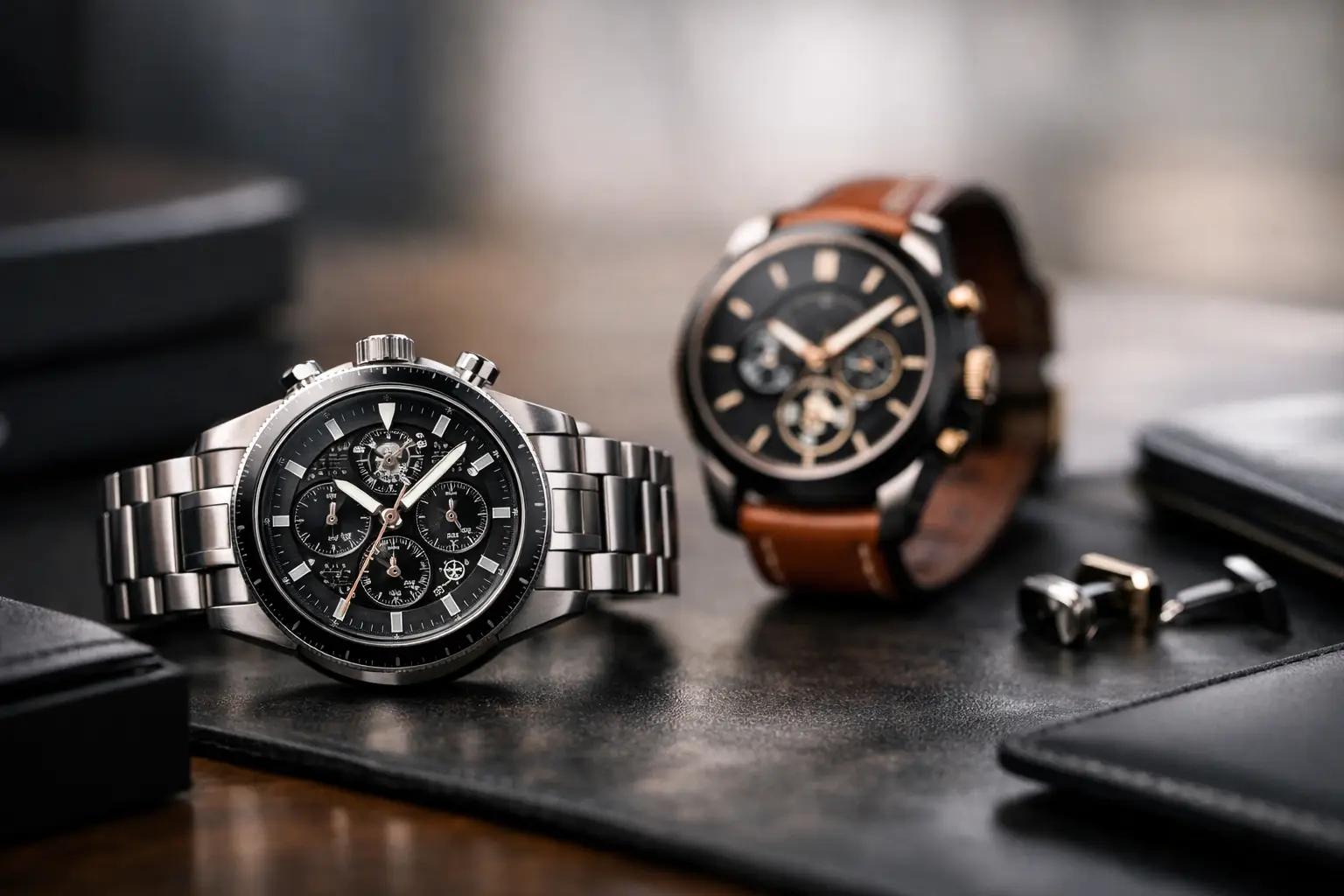
Limited Edition Watches for Men Worth Buying
The moment a sought-after watch sells out at retail, the conversation changes. It is no longer just about design or movement – it becomes about access, provenance, and whether the piece still makes sense at its current market level. That is exactly why limited edition watches for men continue to command serious attention from collectors, professionals, and gift buyers who want something more exclusive than a standard production model.
A true limited edition can offer more than scarcity. It can mark a brand milestone, celebrate a partnership, revive an important reference, or present details that simply do not appear in the regular catalog. When chosen well, it gives the wearer a stronger sense of distinction and often a more compelling ownership story. When chosen poorly, it can be an expensive exercise in hype. The difference comes down to knowing what actually matters.
Why limited edition watches for men hold their appeal
Scarcity is the obvious factor, but it is not the only one. The best limited editions pair controlled production with real brand credibility. A numbered caseback means very little if the watch itself does not come from a respected maker or if the design feels manufactured for short-term attention.
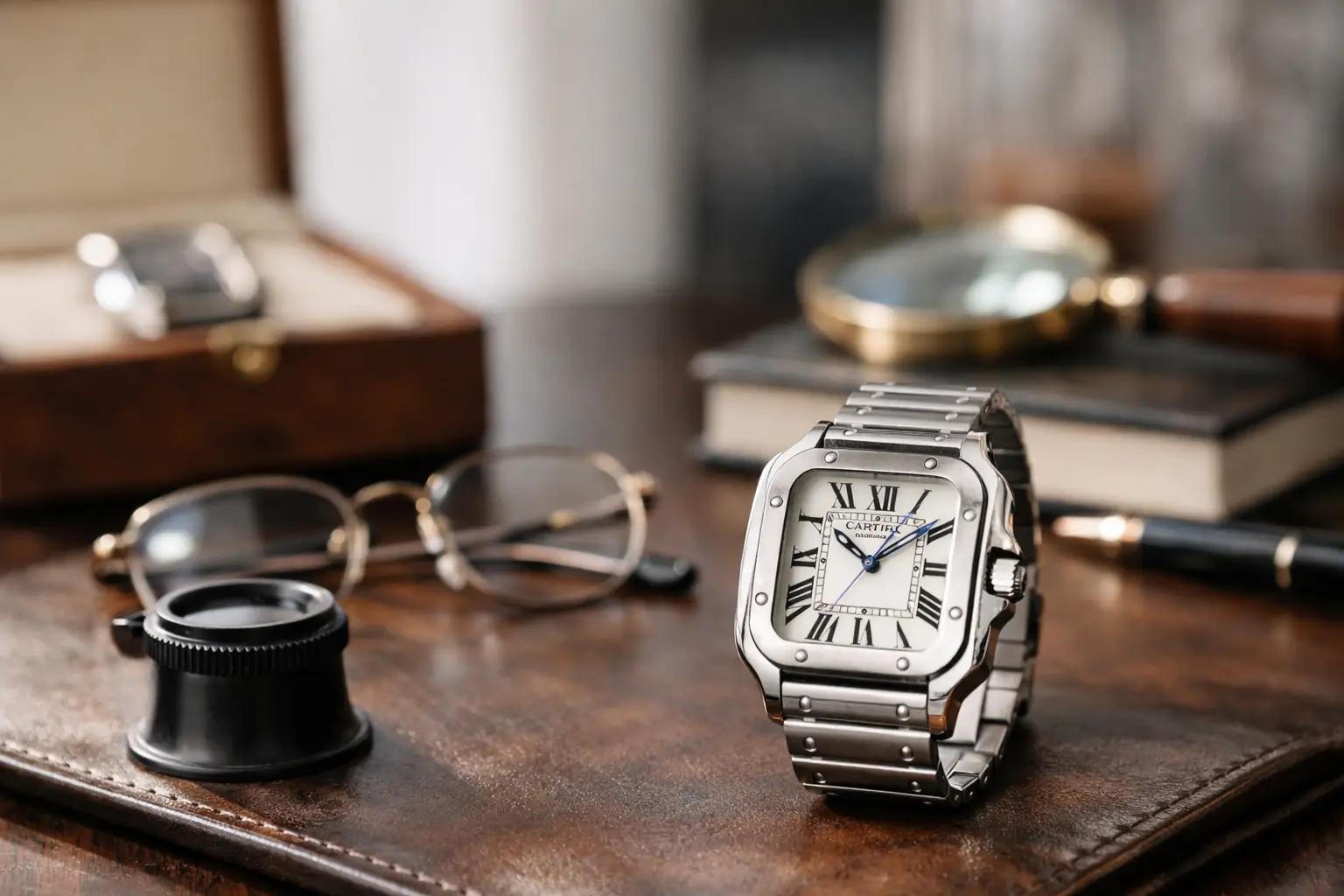
Collectors usually respond to a few core signals. The first is heritage. A limited edition from Omega, Panerai, Breitling, or Patek Philippe carries more weight when it connects to an established design language or a meaningful moment in the brand’s history. The second is execution. Dial color, case material, movement choice, and production quality must feel intentional, not decorative for the sake of novelty. The third is market trust. Buyers want confidence that the watch is authentic, correctly represented, and supported by documentation where available.
That last point matters more in limited editions than in standard references. Rarity increases desirability, but it also raises the stakes. Condition, box and papers, service history, and clean ownership background can affect confidence just as much as the watch itself.
Not every limited edition is created equal
The phrase gets used loosely in luxury retail, and experienced buyers know the distinction. Some watches are genuinely limited in small numbers and tied to a meaningful release. Others are special editions with broader production or less collector urgency. Neither is automatically bad, but they should not be valued the same way.
A limited run of 100 pieces from a major Swiss manufacturer is one thing. A widely marketed commemorative model with weak demand is another. The lesson is simple: do not buy the label alone. Buy the watch, the maker, and the context.
This is where discipline helps. A watch can be rare and still underwhelming. It can also be more common than expected and remain highly desirable because the design is stronger, the wearability is better, or the brand’s following is deeper. Scarcity supports value, but it does not create taste.
What to look for before you buy
The first question is whether the watch would still appeal to you if it were not limited. That sounds basic, but it filters out a surprising number of impulse purchases. If the answer is no, you are likely paying for a short burst of exclusivity rather than long-term satisfaction.
Next, consider brand position. Watches from names such as Audemars Piguet, Rolex, Patek Philippe, Omega, and Panerai benefit from stronger collector ecosystems and broader recognition. That does not guarantee future upside, and it should not be treated as investment advice, but it does affect liquidity, desirability, and confidence when buying at a premium.
Then look closely at the details that define the edition. A limited model should offer more than a serial number. It may feature a unique dial layout, a case material not used in the standard line, a historical engraving, a distinctive bezel, or a movement upgrade. These are the touches that separate a meaningful edition from a routine variation.
Finally, verify the fundamentals. With high-value watches, reassurance is part of the product. Buyers should expect authentication, accurate condition reporting, proper inspection, and clarity around what is included with the watch. On a rare piece, those standards are not optional.
The brands that tend to matter most
In the luxury space, certain makers consistently produce limited editions that attract real attention. Omega has a long track record here, especially with Speedmaster releases tied to historic events, anniversaries, and mission-based storytelling. The best examples feel anchored in the brand’s identity rather than detached marketing exercises.
Panerai also performs well in this category because its design language is so recognizable. When the brand issues a limited Luminor or Radiomir with a specific military, historical, or material connection, collectors tend to notice. Breitling has similar strength when a special release ties into aviation or heritage in a way that feels authentic to the brand.
At the very top of the market, Patek Philippe and Audemars Piguet can generate exceptional interest around rare or region-specific releases, but entry costs are higher and buyer scrutiny is sharper. These are not casual purchases. They are watches where provenance, condition, and seller credibility carry enormous weight.
Buying for wear versus buying for collection
Some buyers want a limited edition as a personal statement piece. Others want it as a long-term collection addition, and those are not always the same purchase.
If you plan to wear the watch regularly, practicality matters. Case size, thickness, water resistance, strap availability, and serviceability should all be part of the decision. A beautiful limited edition that feels too precious or uncomfortable to wear can end up spending most of its life in a safe.
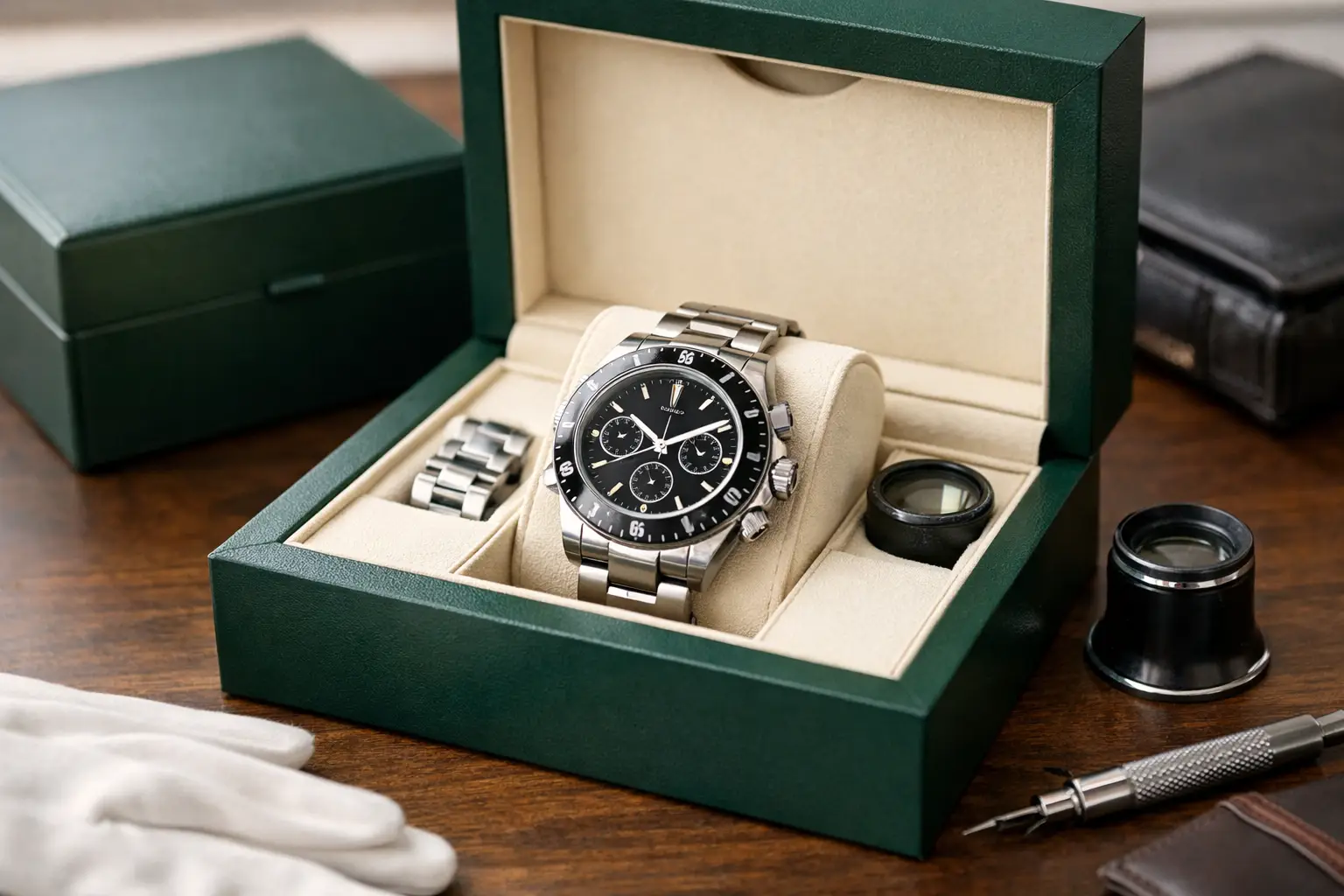
If your focus is collecting, you may care more about completeness and preservation. Original box, papers, accessories, and edition-specific items become more important. So does condition discipline. Light wear may be perfectly acceptable on a daily watch, but a collector-grade example often commands stronger interest when the set is complete and the watch remains close to original.
There is no single right approach. It depends on whether your priority is enjoyment, prestige, collectibility, or a balance of all three. The key is to know which buyer you are before you commit.
Why trust matters more with limited editions
With any luxury watch, authenticity is essential. With limited editions, it becomes central to the entire transaction. These pieces often trade at a premium because of their rarity, and that premium only makes sense when the watch is genuine, accurately described, and free from unresolved issues.
That means buyers should pay attention to more than the headline reference. They should want confirmation of authenticity, inspection for accuracy and water resistance where appropriate, careful condition assessment, and confidence that the watch has a clean history. A premium watch deserves premium standards.
This is also why trusted sourcing matters in the secondary market. Access is one side of the equation. Assurance is the other. A rare watch presented in original packaging and backed by warranty protection gives buyers a far stronger position than a vague listing with limited support. For many clients, that peace of mind is not a bonus. It is the reason they buy at all.
When a limited edition makes sense
The best time to buy is usually when three things align: you genuinely want the watch, the price feels justified by the watch and its market position, and the seller provides the level of confidence the purchase deserves. If one of those is missing, patience is often the smarter move.
It is also worth resisting the idea that every limited edition will appreciate or become impossible to find. Some do. Many do not. What tends to hold up best is a combination of strong brand, coherent design, and buyer confidence. Hype alone has a short shelf life.
For gift buyers, limited editions can be especially compelling because they communicate thoughtfulness and rarity in a way few luxury items can. The right watch feels personal, prestigious, and difficult to replicate. But the same rules apply. Presentation, authenticity, and overall condition should match the significance of the occasion.
At Lux-Watch, that standard of confidence is what makes a rare watch worth pursuing in the first place. Limited editions should feel exclusive, but the buying process should feel clear, secure, and worthy of the piece itself.
The right limited edition is not simply hard to get. It is the one that still feels right long after the release buzz has passed.

Comments are closed