



Swiss Watch Brand Hierarchy for Collectors
A steel sports watch can cost more than a complicated gold dress watch, even when the latter took far longer to make. That is why the Swiss watch brand hierarchy is useful, but never absolute. It helps place a brand in the market, understand its reputation, and set expectations for craftsmanship, demand, and resale. It should not replace a close look at the specific reference in front of you.
For a serious buyer, hierarchy is less about a simple ranking and more about knowing what a watch represents. A Rolex Submariner, an Omega Speedmaster, a Patek Philippe Nautilus, and an Audemars Piguet Royal Oak all carry prestige, yet they command attention for very different reasons.
What Defines the Swiss Watch Brand Hierarchy?
A respected position in watchmaking is built over decades. Heritage matters, but it is only one part of the picture. Technical innovation, movement development, finishing standards, production volume, scarcity, cultural influence, and collector demand all affect where a maison sits.
The hierarchy also changes depending on the measure being used. Patek Philippe and Audemars Piguet are generally placed above Rolex in traditional haute horlogerie because of their complications, movement finishing, and low-volume approach. Rolex, however, has broader global recognition and often stronger liquidity for key sport models. Neither fact makes one purchase automatically better than the other.
A useful way to assess a brand is through four questions: How sophisticated is its watchmaking? How exclusive is its production? How established is its heritage? And how consistently does the market value its most desirable references? The answers rarely point in exactly the same direction.
The Highest Tier: Haute Horlogerie and Exceptional Rarity
At the summit are maisons defined by elite mechanical watchmaking, exceptional finishing, and limited production. Patek Philippe and Audemars Piguet are central names in this category. Their finest pieces combine hand-finished movements, complex complications, long-standing design codes, and a collector base that spans generations.
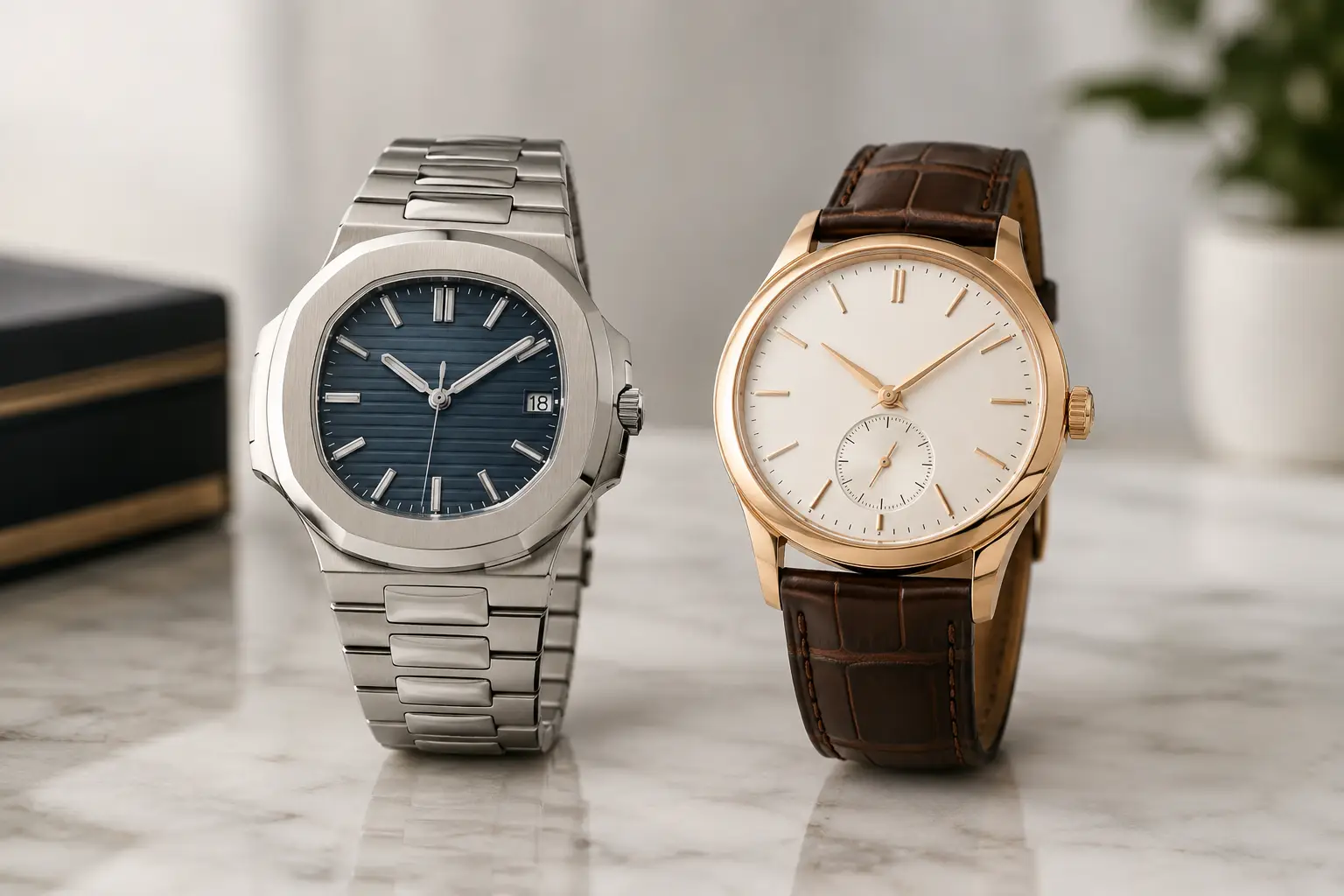
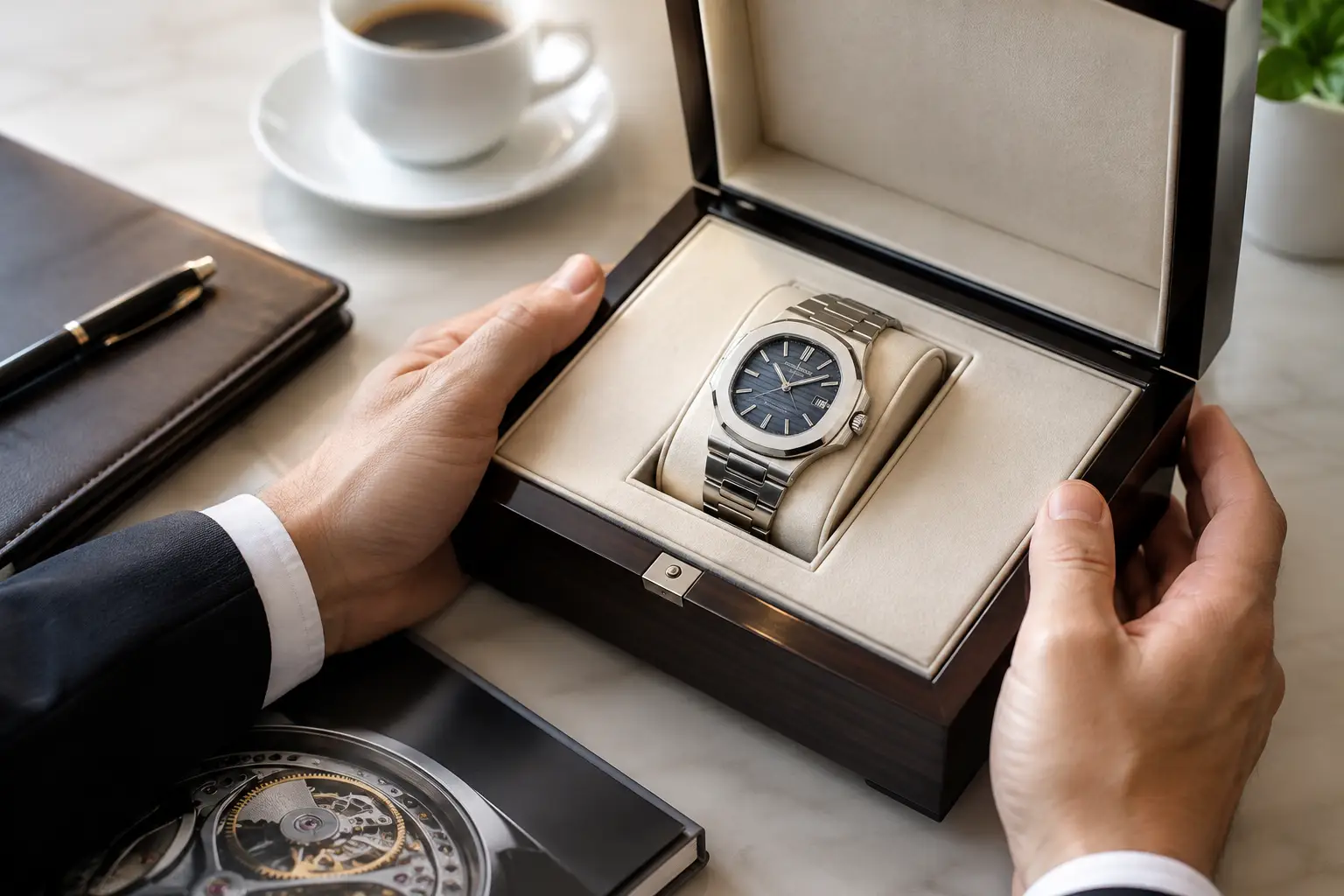
Patek Philippe holds a singular place for traditional watchmaking. Perpetual calendars, minute repeaters, world-time models, and elegant Calatrava dress watches demonstrate why the brand is often treated as a benchmark for enduring horological prestige. Its sport watches, particularly the Nautilus and Aquanaut, add another dimension: extraordinary demand for references that are scarce by design.
Audemars Piguet commands comparable respect, with a more assertive identity. The Royal Oak transformed luxury sports watches when it introduced a high-end steel proposition with an integrated bracelet and unmistakable octagonal bezel. The Royal Oak Offshore extends that design language into larger, more athletic territory. AP’s position comes from far more than one famous collection, but that collection has made the brand instantly recognizable to collectors and the wider luxury market.
Richard Mille occupies a different kind of high tier. Its watches are contemporary, technical, and intentionally provocative, using advanced materials, complex engineering, and extremely limited production. A Richard Mille is not a traditional Geneva dress watch, nor is it trying to be. Its hierarchy is rooted in rarity, innovation, and a distinct modern status signal.
Vacheron Constantin is also frequently included in the highest traditional tier, especially for buyers who value classical design, fine finishing, and one of the longest continuous histories in watchmaking. The broader lesson is clear: at this level, the purchase is often driven by craft, scarcity, and lasting collecting significance rather than logo recognition alone.
Iconic Luxury Leaders: Rolex, Omega, and Cartier
The next level is not lesser luxury. It is where globally recognized brands combine serious watchmaking with powerful design identities and deep market demand. Rolex, Omega, and Cartier are among the most important names for buyers who want an exceptional watch that is equally relevant in a boardroom, on a flight, or at a formal event.
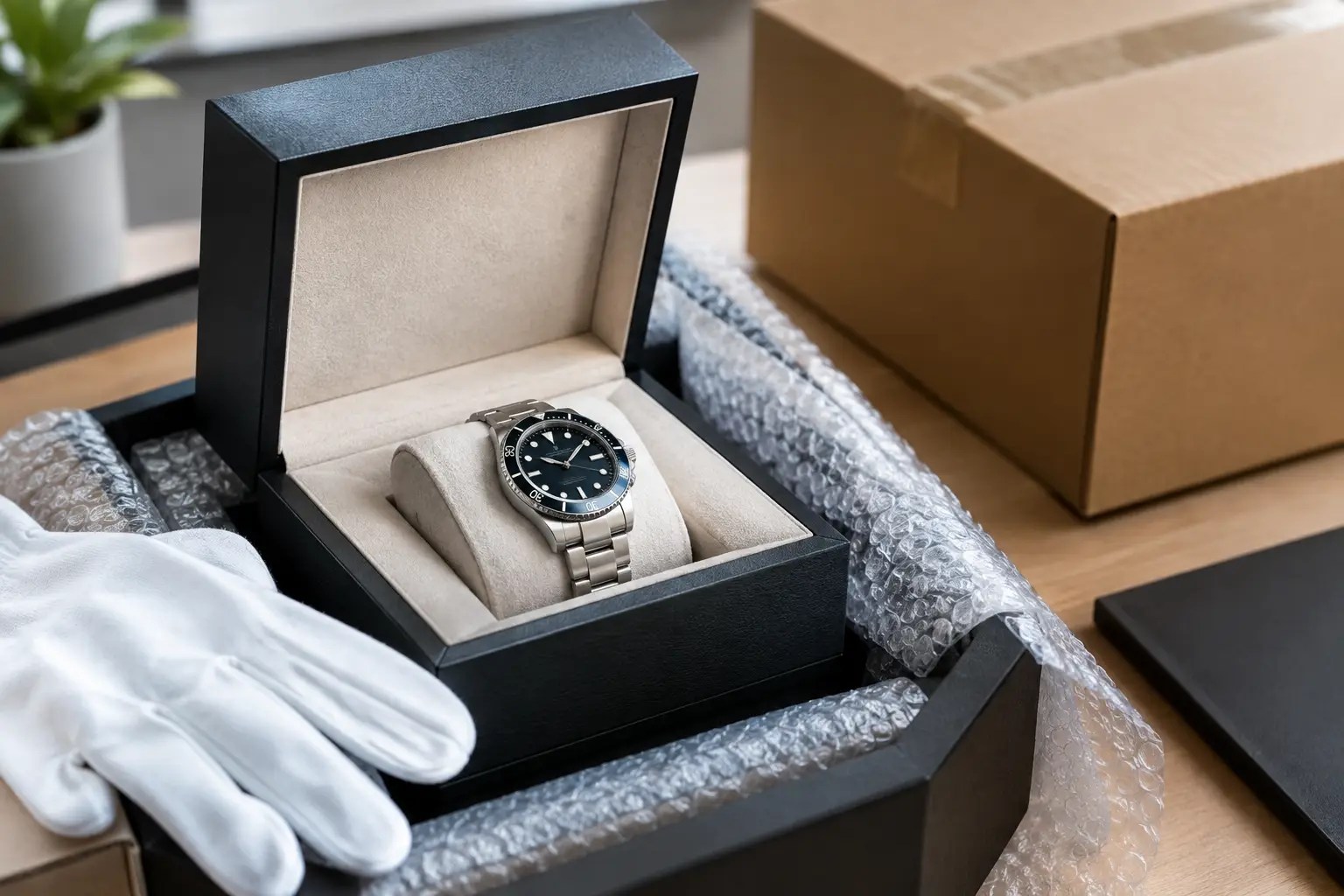
Rolex is the market leader in universal recognition and dependable desirability. The brand’s strength lies in highly refined tool-watch design, rigorous production standards, durable in-house movements, and models that have remained culturally relevant for decades. A Submariner, GMT-Master II, Daytona, or Datejust does not need an introduction in most luxury settings. For many buyers, Rolex is the most direct entry into high-value collecting because demand for core references is durable and the designs are immediately legible.
Omega carries exceptional historical authority, particularly through the Speedmaster, Seamaster, and Constellation families. The Speedmaster’s space heritage is unmatched, while Omega’s modern co-axial movements and Master Chronometer standards appeal to buyers who value technical performance. In general, Omega offers a compelling balance of heritage, engineering, and relative accessibility compared with the most supply-constrained brands.
Cartier is a French maison with a major Swiss watchmaking presence, so it deserves context in any prestige watch discussion even if it does not fit a narrow definition of a Swiss brand. Cartier’s influence is design-led: the Tank, Santos, Panthère, and Ballon Bleu are among the most recognizable shapes ever created. A Cartier often appeals to the collector who values elegance and cultural permanence as much as movement architecture.
Professional Luxury Brands With Serious Character
Breitling, Panerai, IWC, Zenith, and Tudor are often discussed within the professional luxury tier. These brands offer genuine heritage, strong mechanical credentials, and distinctive collections, though their price points, production approaches, and secondary-market behavior vary significantly.
Breitling is closely associated with aviation and bold, functional chronographs. The Navitimer remains a defining pilot’s watch, while the Chronomat and Superocean demonstrate the brand’s sport-focused range. Buyers drawn to presence, performance, and purpose-built design often find Breitling particularly compelling.
Panerai is defined by its Italian naval design heritage and Swiss-made mechanical production. A Luminor or Radiomir is immediately recognizable through its cushion-shaped case, oversized numerals, and clean military-inspired dial. Panerai is not the discreet choice, and that is precisely its appeal. It rewards buyers who want an unmistakable silhouette rather than a broadly conventional luxury watch.
This segment can offer excellent value, especially when a buyer selects a proven reference with complete documentation, original packaging, and strong condition. It also requires more reference-specific research. A brand’s reputation alone will not determine whether a particular model is widely traded or difficult to resell.
Why Price Does Not Always Follow the Hierarchy
The most expensive watch in a boutique is not necessarily from the highest-ranked brand, and the most collectible watch is not always the most complicated. Market price is affected by supply, current demand, materials, dial variation, production run, provenance, and condition.
A stainless-steel Rolex Daytona may trade at a premium because it is highly sought after and difficult to obtain. A complicated precious-metal watch from a more traditionally elevated maison may be available for less on the secondary market because its audience is narrower. This is not a contradiction. It reflects two different forms of value: collector demand and horological complexity.
Condition can alter the calculation just as dramatically. An untouched watch with its original box, papers, correct bracelet, and clean service history will usually inspire more confidence than a similar reference with polished edges, replacement components, or incomplete records. For vintage pieces, originality can matter even more than cosmetic perfection.
How to Use Brand Hierarchy When Buying
Use hierarchy to narrow your search, not to make the final decision. If your priority is the highest expression of traditional watchmaking, Patek Philippe or Audemars Piguet may be the natural starting point. If you want a widely recognized daily watch with exceptional market strength, Rolex deserves serious consideration. If technical heritage and value matter most, Omega is difficult to overlook. If design identity is the deciding factor, Cartier or Panerai may be the more personal choice.
The right watch should also suit how you will wear it. A complicated dress watch may be extraordinary but spend most of its life in a safe if your routine is active and informal. Conversely, a substantial sports watch may feel out of place if you want a refined companion for formal wear. Prestige is strongest when it feels natural on the wrist.
For high-value purchases, confidence in the seller is part of the value. Authentication, accurate condition reporting, warranty protection, water-resistance testing, and a documented history protect both the enjoyment of ownership and the watch’s future appeal. At Lux-Watch, those assurances are central to making a prestigious acquisition feel appropriately secure.
A hierarchy can tell you where a brand stands. The better question is whether the specific watch has the design, condition, provenance, and presence to earn a place in your collection for years to come.

Comments are closed