



Are Watches Waterproof? What Luxury Owners Need
A luxury watch can look perfectly at home beside a pool, on a yacht, or beneath a tailored cuff. That does not mean it should enter the water. Are watches waterproof? In practical terms, no watch should be treated as permanently waterproof. What matters is its tested water-resistance rating, its current condition, and whether every seal is still doing its job.
For a valuable Rolex, Omega, Cartier, Patek Philippe, or Audemars Piguet, water resistance is more than a specification on a dial or caseback. It is a protection system made of gaskets, crystals, crowns, pushers, and careful assembly. Understanding its limits helps preserve both the movement and the long-term value of your timepiece.
Are Watches Waterproof or Water-Resistant?
The watch industry uses the term water-resistant for a reason. Even a purpose-built dive watch is not immune to water forever. Seals age, crown tubes wear, impacts can affect case integrity, and temperature changes can alter pressure around the watch.
A water-resistance rating indicates the pressure a watch was designed to withstand during controlled testing. It does not automatically describe every real-world activity at the same depth. Swimming involves arm movement and changing pressure. Diving adds greater pressure, while a hot shower introduces heat, steam, and soap that can compromise seals over time.
The distinction is especially relevant in luxury collecting. A vintage dress watch may be mechanically exceptional and aesthetically pristine, but its original water-resistance rating may no longer be dependable. Conversely, a modern Rolex Submariner, Omega Seamaster, Panerai Luminor, or Audemars Piguet Royal Oak Offshore may be engineered for substantial aquatic use, provided it has been properly maintained and its crown is secured.
What Water-Resistance Ratings Actually Mean
Ratings are commonly expressed in meters, bar, or atmospheres. They can be misunderstood because a marking such as “30 meters” does not mean a watch is appropriate for a 30-meter dive.
A 30-meter or 3 ATM rating generally means a watch can tolerate incidental moisture, such as rain or a brief splash while washing hands. It is not a swimming rating. A 50-meter or 5 ATM watch is often suitable for light surface exposure, but many collectors still avoid swimming unless the manufacturer specifically approves it.
At 100 meters or 10 ATM, a watch is typically suitable for swimming and recreational water activity. This is a common and practical level of protection for luxury sport watches. At 200 meters and above, the watch is built with more serious water use in mind. Professional dive watches often carry ratings of 300 meters or greater, along with features such as screw-down crowns, unidirectional bezels, and enhanced sealing systems.
Those numbers remain conditional. A 100-meter watch with a loose crown is vulnerable. A 300-meter diver with dried-out gaskets may not perform as its original specification suggests. The rating describes the design standard, not an unconditional lifetime promise.
The Crown Matters More Than Most Owners Realize
The crown is one of the most common entry points for moisture. Before water exposure, make sure a screw-down crown is fully threaded and secured. On watches with chronograph pushers, confirm whether the manufacturer permits their use underwater. In many cases, operating pushers while submerged is not recommended unless the model was specifically designed for it.
Never adjust the time, date, or crown while the watch is wet. Even a small amount of moisture around an open crown can find its way into the case. With a high-value mechanical movement inside, that is a risk with little upside.
Which Luxury Watches Can You Swim With?
The best answer is model-specific, not brand-specific. A Rolex Datejust and a Rolex Submariner carry very different purposes, even though both may offer meaningful water resistance. A Cartier Tank is a refined dress watch, while an Omega Seamaster is designed with water activity in mind.
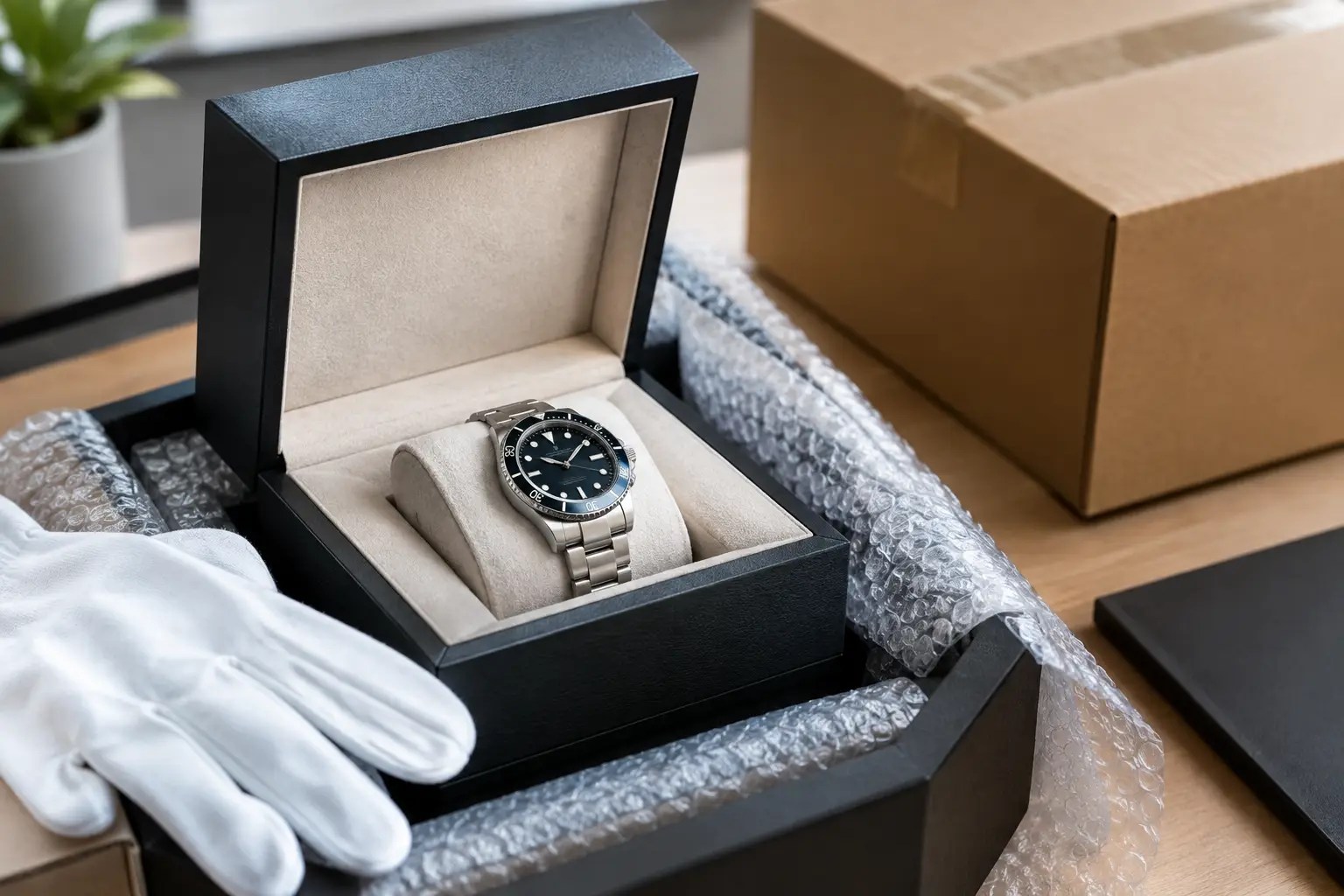
For regular swimming, favor contemporary sport and dive models with at least 100 meters of water resistance, a secure crown system, and a recent water-resistance test. Suitable categories often include Rolex Submariner and Sea-Dweller models, Omega Seamaster divers, Breitling Superocean references, Panerai Submersible models, and select Royal Oak Offshore and Hublot sport watches.
That said, suitability and preference are different questions. Some collectors choose not to swim with any precious-metal watch, limited edition, or highly complicated piece, even when its rating permits it. Chlorine, salt, sunscreen, sand, and accidental impacts create cosmetic and service risks that a specification alone cannot remove.
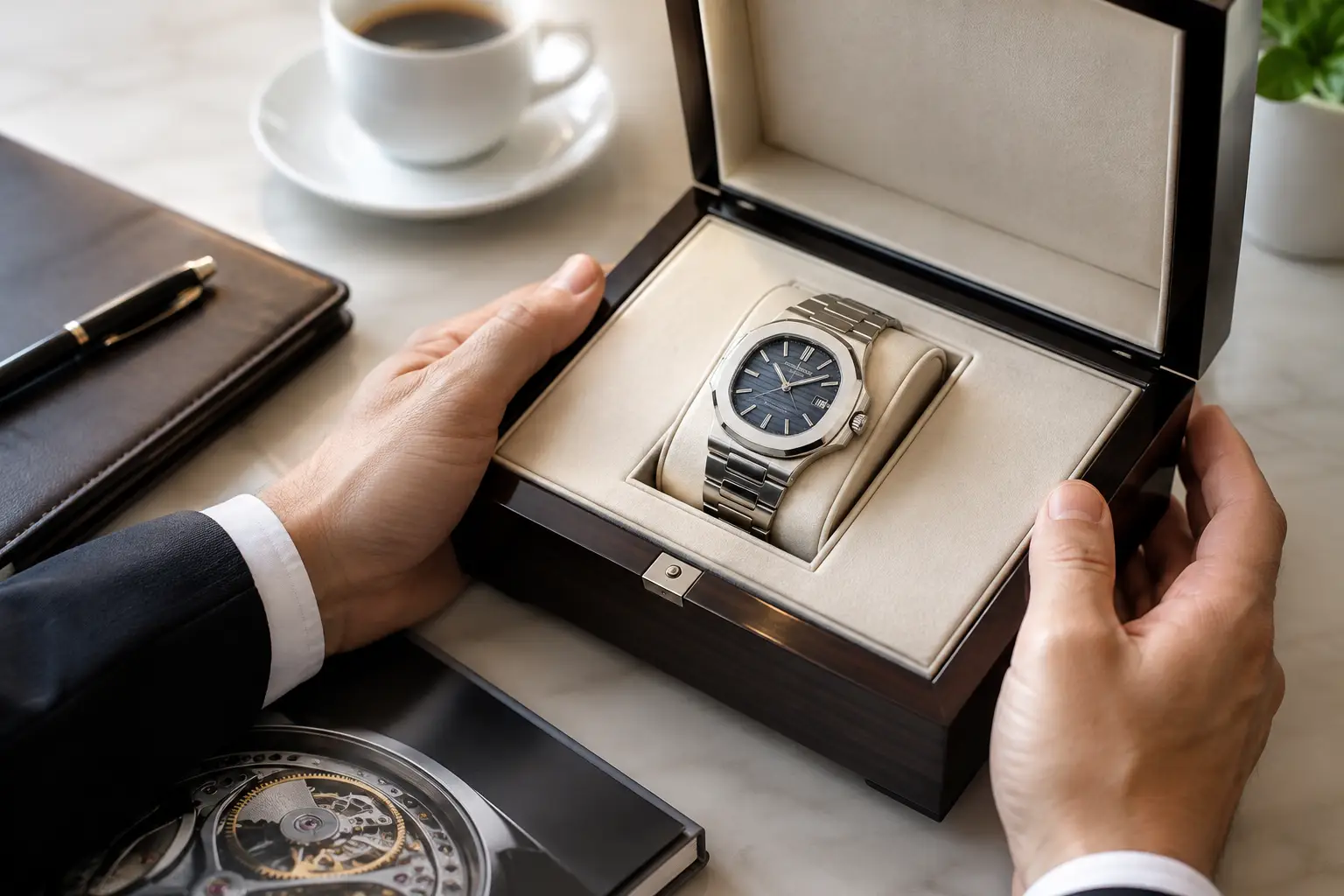
A Patek Philippe Nautilus may offer useful water resistance, for example, but its owner may reasonably decide that a dedicated dive watch is the better pool companion. Protecting a prized watch is not about being overly cautious. It is about matching the watch to the occasion.
Water Risks That Ratings Do Not Fully Explain
Hot water deserves particular caution. Steam can penetrate compromised seals more easily than cool water, and heat can cause components to expand. Avoid wearing a luxury watch in a sauna, steam room, hot tub, or hot shower, regardless of the number printed on the caseback.
Saltwater is another concern. A watch designed for diving can handle saltwater when its seals are sound, but it should be rinsed gently with fresh water afterward. Salt residue can collect around the bezel, bracelet, crown, and caseback, accelerating wear if left in place.
Chlorinated pools are less severe than seawater in some respects, yet chlorine is still a chemical exposure. Rinse the watch after swimming, dry it with a soft cloth, and inspect the crown before storing it. Leather straps should not be submerged at all. Water can stain, stiffen, and weaken leather, even if the watch head itself is rated for swimming.
Vintage watches require the most restraint. Age, prior service history, replacement parts, and invisible gasket deterioration make their actual water resistance difficult to assume. Unless a qualified watchmaker has recently pressure-tested the piece, treat vintage watches as dry-weather watches.
How to Protect Water Resistance Over Time
Water resistance should be maintained, not presumed. A watch can pass a pressure test after service and fail years later due to ordinary aging. If you regularly swim or use a watch around water, an annual water-resistance check is a prudent standard. If the watch is rarely exposed to water, testing it during routine service or every one to two years is often appropriate.
Have the watch inspected sooner after a significant impact, a crystal replacement, crown damage, or any service involving the case. These are moments when sealing integrity should be confirmed rather than assumed.
There are also simple habits that protect a luxury watch every day:
- Secure a screw-down crown completely before exposure to water.
- Keep the crown and pushers closed, and never operate them underwater.
- Rinse an approved sport watch in fresh water after the ocean or a pool.
- Remove the watch before hot tubs, steam rooms, saunas, and showers.
- Arrange a professional pressure test after service, impact, or prolonged water use.
If you notice fogging beneath the crystal, stop wearing the watch immediately. Condensation is a clear warning that moisture has entered the case. Prompt professional attention can prevent corrosion, dial damage, and far more extensive movement repairs.
Confidence Starts With Condition
A water-resistance rating is only as reliable as the watch’s present condition. That is why inspection and testing matter when acquiring a pre-owned luxury watch. Authenticity, clean history, accuracy, and case condition are essential, but water resistance deserves equal attention for anyone considering a sport or dive reference.
At Lux-Watch, each timepiece is inspected with collector confidence in mind, including water-resistance evaluation where applicable. Still, responsible ownership begins after purchase: understand your model, respect its current rating, and service it before small sealing issues become costly damage.
The finest watches are made to be worn, not hidden away. Choose the right piece for the water, keep its protection system maintained, and let every occasion enhance the ownership experience rather than threaten it.


Comments are closed