


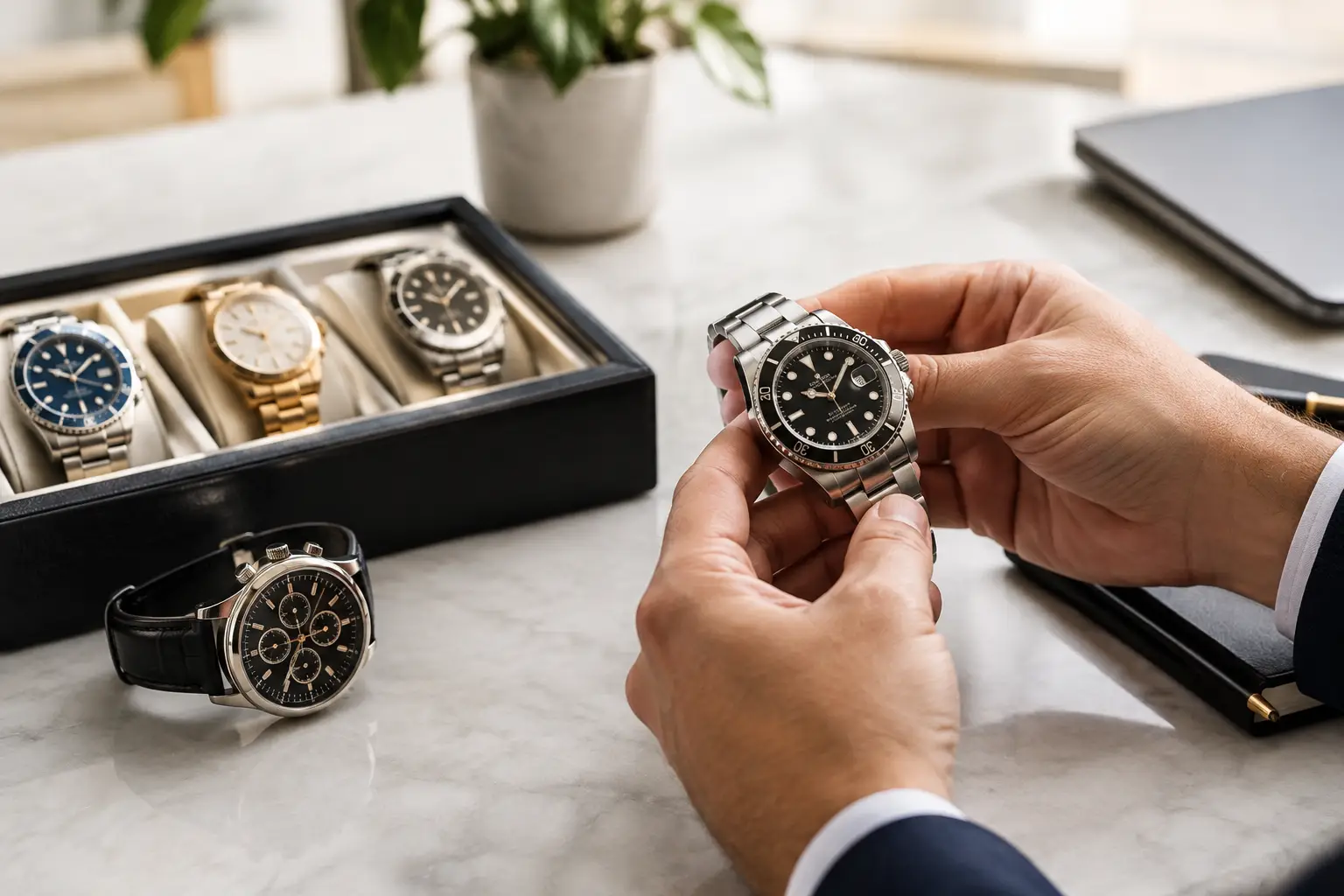
Luxury Watch Resale Trends Buyers Should Know
The most desirable watches do not behave like a single market. Luxury watch resale trends now reward selectivity: the right reference, condition, provenance, and configuration can matter more than the name printed on the dial. For buyers, that creates an opportunity to acquire exceptional pieces with greater perspective and less reliance on headline pricing.
A Rolex, Patek Philippe, Audemars Piguet, Omega, or Cartier remains a powerful symbol of craftsmanship and prestige. Yet resale performance varies sharply within every brand. A well-preserved sports reference with its original box and papers may command strong attention, while a heavily polished example or a less desirable configuration may sit longer, even when both watches share the same model name.
Luxury Watch Resale Trends Are Becoming More Selective
The secondary market has moved beyond the broad excitement that pushed nearly every popular steel sports watch upward at once. Demand remains meaningful for iconic watches, but buyers are more informed and more disciplined. They compare references, study production eras, assess condition closely, and expect documentation that supports the asking price.
This is a healthier environment for serious collectors. Rather than chasing a market driven primarily by scarcity and momentum, buyers can focus on the qualities that give a watch lasting appeal: recognizable design, technical heritage, limited availability, and a strong record of collector demand.
The distinction is especially visible among highly sought-after models. The Patek Philippe Nautilus, Audemars Piguet Royal Oak, Rolex Daytona, and Rolex GMT-Master II continue to draw significant interest, but not every version carries the same premium. Dial color, bezel material, bracelet configuration, production period, and overall originality can materially influence resale value.
For more accessible prestige watches, the same principle applies. An Omega Speedmaster with a compelling reference history, a Cartier Santos in excellent condition, or a Panerai Luminor with a complete set can offer strong collector appeal without requiring buyers to pursue the most heavily traded models in the market.
Condition Is No Longer a Secondary Detail
Condition has always mattered in luxury watches. It now plays an even larger role because buyers have more choices and greater access to information. A watch may be authentic and mechanically sound, yet still command less interest if it has been aggressively polished, fitted with non-original parts, or presented without its supporting materials.
Collectors look closely at case lines, bezel edges, dial condition, bracelet stretch, and the consistency of lume and hands. These details can reveal whether a watch has been carefully preserved or altered over time. For modern watches, service history and water resistance testing are also important practical considerations, particularly for sport and dive models intended to be worn regularly.
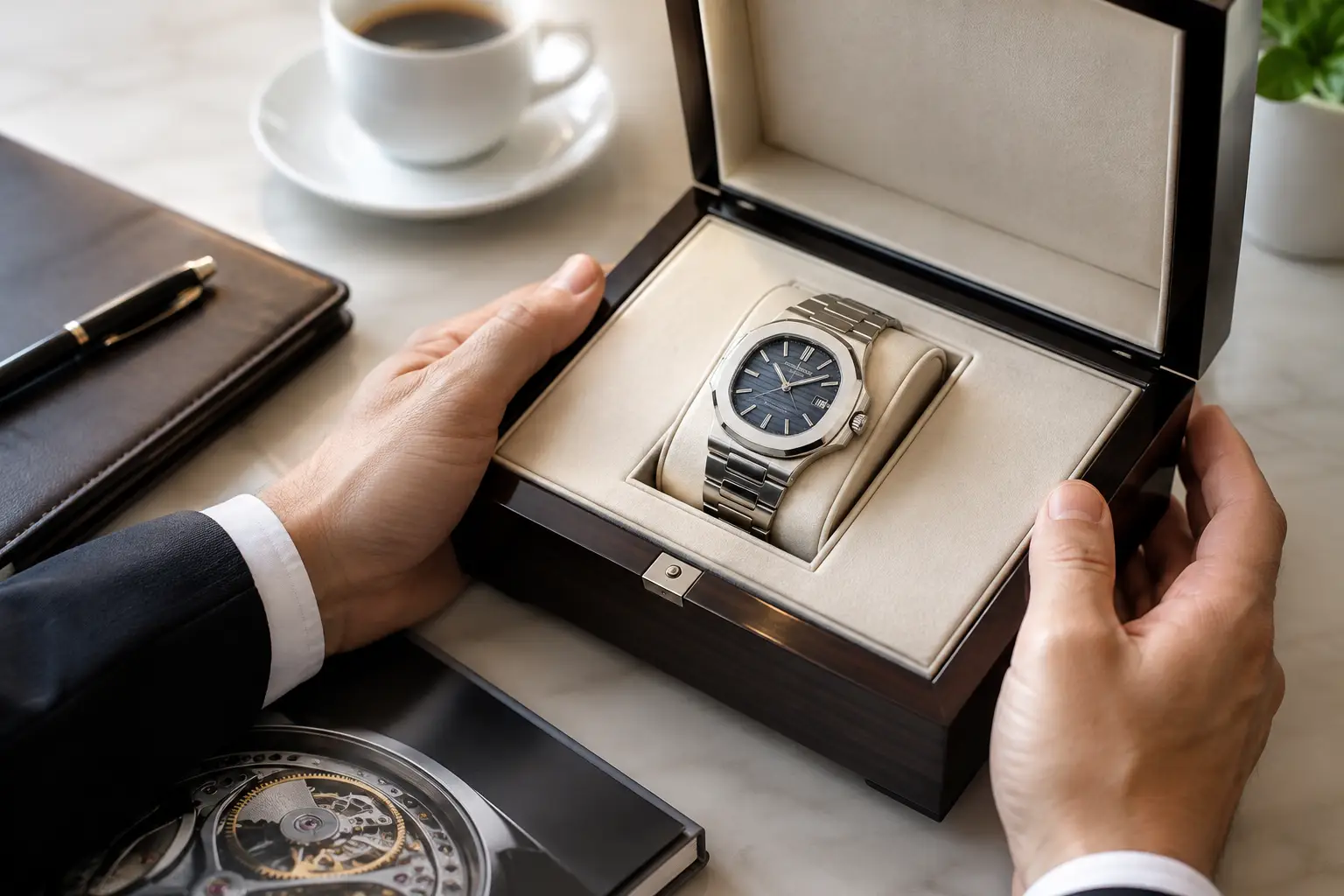
Original packaging, papers, warranty cards, booklets, and service documentation strengthen buyer confidence. They do not automatically make a watch rare, but they help establish a clearer history. In a high-value transaction, that clarity can make the difference between a watch that feels compelling and one that raises unnecessary questions.
A complete set is not always essential. Many vintage watches have lost their original materials through decades of ownership, and an exceptional example can remain highly collectible without them. The trade-off is simple: when paperwork is absent, condition, provenance, and seller credibility must carry more weight.
Originality Often Commands the Strongest Premium
Originality is particularly influential in the vintage and neo-vintage segments. Collectors may prefer an unpolished case with honest signs of wear over a watch that appears cosmetically newer but has lost the sharp proportions intended by the manufacturer. A correct dial, matching handset, and period-appropriate bracelet can matter far more than a superficial shine.
That does not mean every buyer should pursue untouched vintage pieces. A professionally serviced modern watch may be the better choice for someone who wants daily reliability, warranty support, and the confidence to wear it often. The right purchase depends on whether the watch is meant to be preserved, collected, gifted, or enjoyed every day.
Iconic References Hold Attention, Not Every Release
Brand recognition remains one of the strongest forces in resale, but reference recognition is often more valuable. The market tends to favor watches with a clear identity. A model becomes more resilient when buyers can immediately understand why it matters, whether that comes from a celebrated design, a motorsport connection, a historic complication, or a limited production run.
Steel sports watches continue to attract broad demand because they combine versatility, recognizable design, and strong brand equity. But dress watches are gaining renewed attention from buyers who want a more distinctive alternative to the familiar sport-watch uniform. Slim gold cases, elegant complications, and discreet designs from Patek Philippe, Cartier, and Jaeger-LeCoultre appeal to collectors who value refinement over visibility.
Limited editions deserve a measured approach. Limited production can create genuine scarcity, but a low production number alone does not guarantee resale strength. The release must have lasting relevance to the brand, an appealing design, and an audience beyond the initial launch. A limited watch with weak collector interest can be less liquid than a standard-production icon.
Liquidity Matters as Much as a Price Estimate
A resale value is only useful if there is active demand at that value. This is where many buyers confuse an ambitious listing price with a realistic transaction price. A watch can be advertised at a premium for months without selling. The more meaningful question is whether comparable examples are actually changing hands and how quickly they attract qualified buyers.
Highly liquid references often benefit from a large collector base and recognizable specifications. Rolex Submariner, GMT-Master II, Daytona, Omega Speedmaster, and certain Cartier and Audemars Piguet models are familiar to buyers across markets. That broad recognition can make future resale more straightforward, though it never eliminates market risk.
Less common watches can still be outstanding purchases. A complicated Patek Philippe, a distinctive Hublot, or a Richard Mille may have a more specialized audience, but that can be part of its appeal. Buyers should simply understand that exclusivity and liquidity are not the same thing. The rarest watch is not always the easiest watch to sell.
Authentication Has Become Part of the Value Proposition
As luxury watch prices rise, authentication is no longer an optional reassurance. It is central to the purchase. Counterfeit watches have become more sophisticated, and even authentic watches may contain replacement components that affect originality and value. Buyers need confidence in the watch itself, not just confidence in the photographs.
A credible inspection should consider the movement, serial and reference details, case construction, dial and hands, bracelet, clasp, and supporting documentation. Accuracy testing and water resistance evaluation add practical assurance for watches designed to perform beyond the display case. A clean history also matters, particularly when purchasing a high-value pre-owned piece.
This is why trusted sourcing can justify a meaningful premium over an uncertain private transaction. The lowest price is not always the best value when condition is unclear, provenance is incomplete, or authentication has not been independently addressed. In the secondary luxury market, certainty has value.
How to Buy With Long-Term Confidence
The strongest purchase is rarely the watch with the loudest price story. Start with a model you genuinely want to wear and keep, then assess its reference-specific desirability, condition, completeness, and service needs. If resale is relevant, favor established models with a clear collector audience rather than assuming every luxury watch will appreciate.
Ask direct questions before committing. Confirm what is included, whether the watch has been polished or serviced, how it performed during inspection, and what warranty protection applies. Review photographs carefully, but remember that a high-resolution image cannot replace professional authentication and a thorough condition assessment.
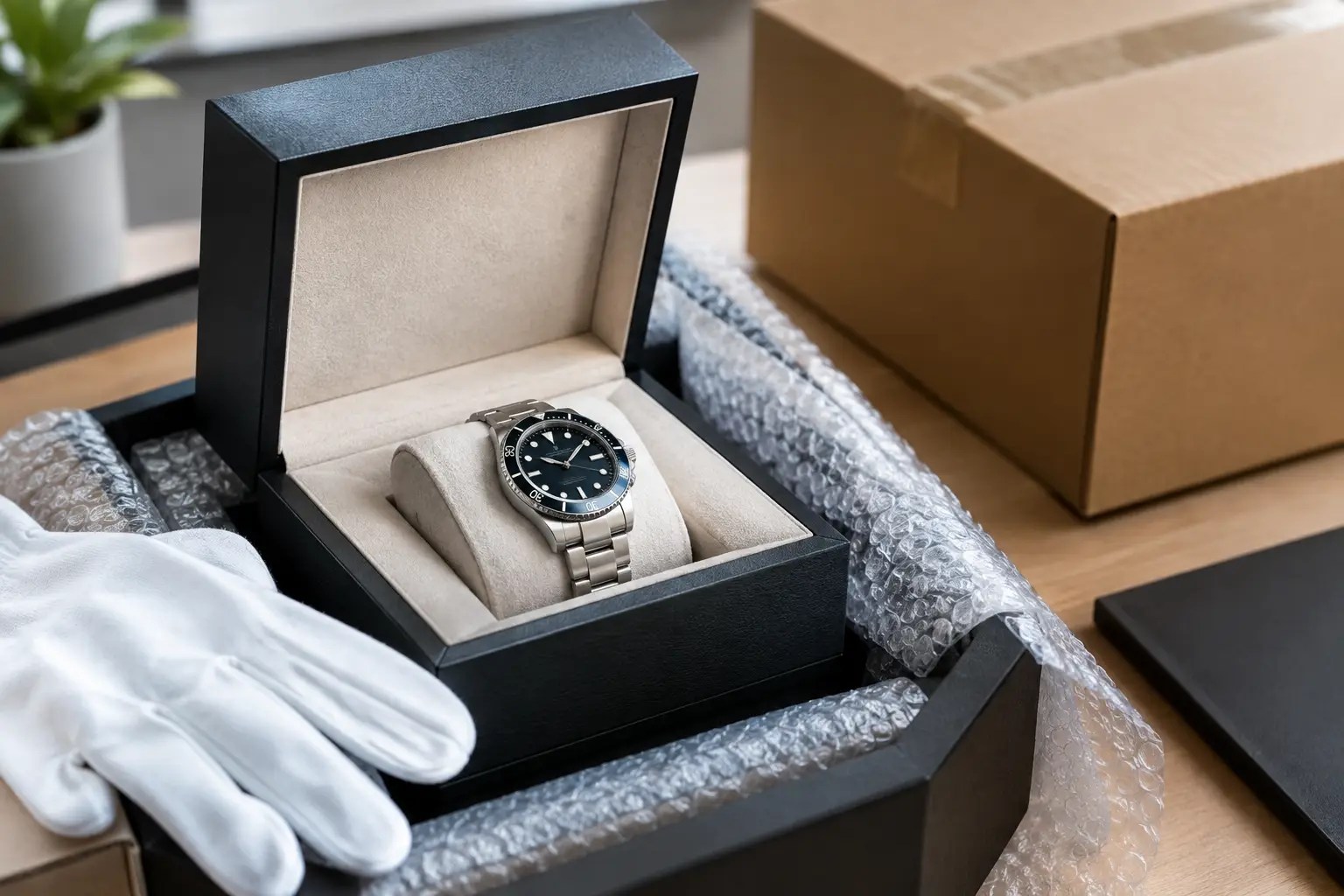
Lux-Watch approaches this standard with authenticated timepieces inspected for accuracy, water resistance, condition, and clean history, supported by original packaging and warranty protection where available. For a collector or first-time buyer, those safeguards turn a prestige purchase into a more considered decision.
The market will continue to shift between categories, references, and price levels. A watch with proven craftsmanship, authentic character, and a history you can trust will remain the kind of piece worth choosing long after the market conversation changes.


Comments are closed