


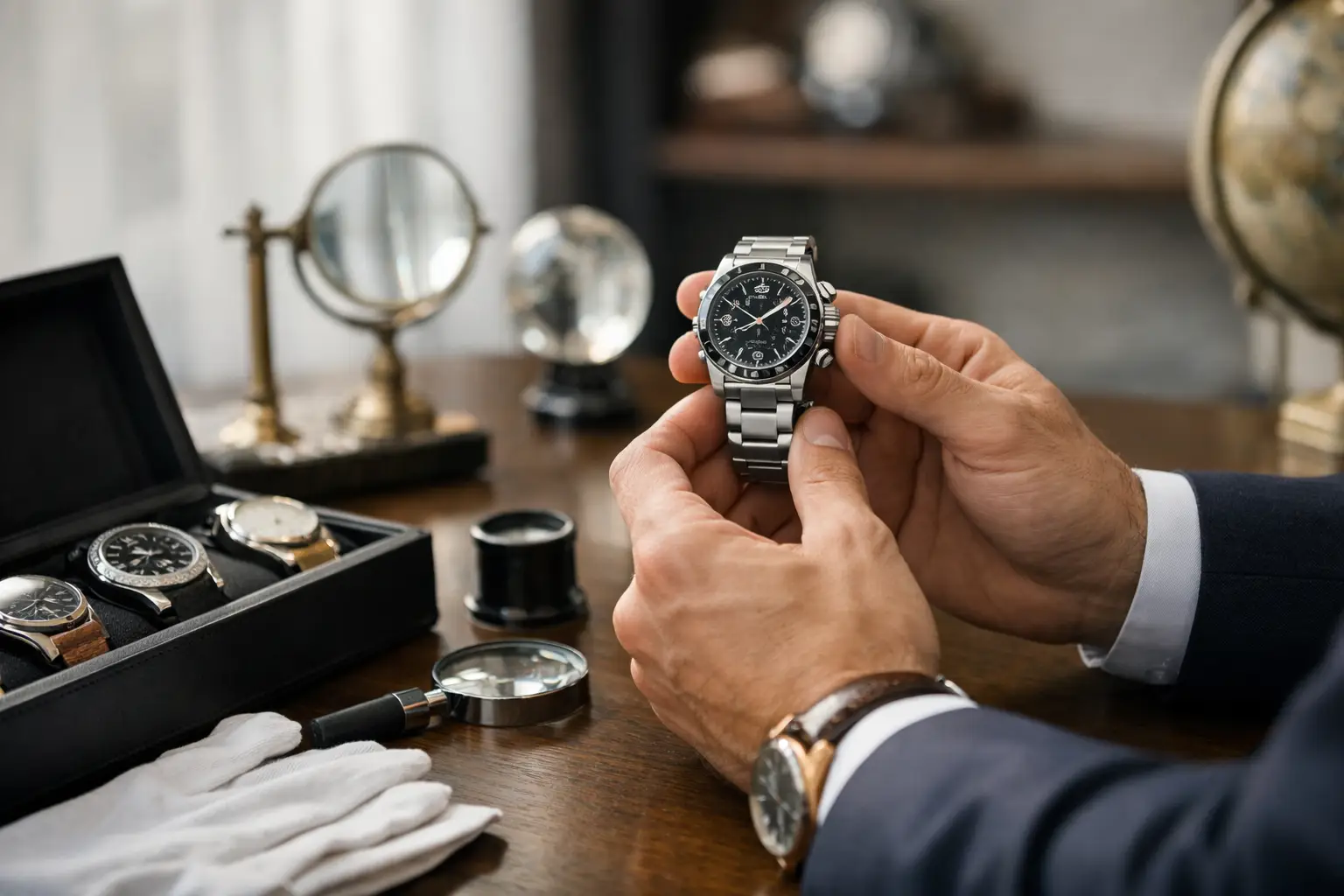
How to Choose a Collector Watch With Confidence
A collector watch is not simply an expensive watch with a famous name on the dial. It is a specific reference with a story, a condition profile, and a place in a brand’s history. Knowing how to choose a collector watch starts with recognizing that the best purchase is rarely the most obvious one. It is the watch you can verify, understand, and still want to wear years from now.
For some buyers, that may be a Rolex Submariner with a sought-after dial configuration. For others, it is an Omega Speedmaster tied to a defining era, a Cartier Tank with enduring design significance, or a Patek Philippe Nautilus with exceptional provenance. Price matters, but confidence comes from the details behind it.
Start With a Clear Collecting Purpose
Before comparing references, decide what you want the watch to do in your collection. A first serious acquisition often benefits from broad recognition, strong serviceability, and an established resale market. A Rolex Datejust, Omega Speedmaster, or Cartier Santos can offer heritage and daily wearability without requiring deep knowledge of obscure variations.
More experienced collectors may pursue rarity, unusual production details, discontinued references, or a particular complication. That path can be rewarding, but it demands more research. A limited-edition Panerai or a vintage-inspired Breitling may have a narrower buyer base than an iconic sport watch, even when its craftsmanship is exceptional.
Do not buy solely because a watch is described as an investment. Luxury watches can hold value well, and certain references can appreciate, but market performance is never guaranteed. Choose a piece you would be proud to own if its market price remained unchanged.
Choose a Reference, Not Just a Brand
Prestige brands provide a strong starting point, but collecting happens at the reference level. Two watches from the same manufacturer can have very different levels of desirability, production volume, wearability, and market demand.
A Royal Oak Offshore, for example, delivers a very different experience from the classic Audemars Piguet Royal Oak. Within the Speedmaster family, the case size, movement, dial layout, bracelet, and production period can materially affect collectibility. The name on the dial opens the conversation. The reference number determines what you are actually buying.
Study the model’s dimensions, material, movement, production years, and known variations. Ask whether the configuration is original to that reference. A rare dial may be highly desirable when correct, but a replacement or altered dial can substantially reduce collector appeal.
Iconic Does Not Always Mean Right for You
The most recognizable watch is not automatically the best addition. A steel sports watch may be highly liquid, yet a slim gold dress watch could fit your style and collection more naturally. Consider when you will wear it: with tailoring, while traveling, on weekends, or as a special-occasion piece.
Wrist comfort is equally important. A 42mm chronograph may look impressive in photography but feel too large for regular use. A smaller vintage-inspired case may be elegant but less suitable if you prefer modern presence. Collector value and personal enjoyment should reinforce each other, not compete.
Evaluate Condition With a Collector’s Eye
Condition is one of the clearest dividing lines between a good watch and a truly collectible one. Originality usually carries more weight than cosmetic perfection. Light signs of age can be acceptable, particularly on vintage watches, while over-polishing, replacement parts, or a heavily refinished case may weaken long-term appeal.
Examine the case edges, lugs, bezel, dial, hands, bracelet stretch, clasp, and crystal. On modern watches, look for consistent finishing and complete functionality. On vintage pieces, assess whether the dial, luminous material, and hands have aged naturally and remain consistent with the model.
A watch that has been polished is not automatically a poor choice. The question is how much metal and definition have been lost. Crisp bevels, well-proportioned lugs, and correct engravings signal careful ownership. A respected seller should describe condition plainly rather than relying on vague labels such as “excellent.”
Provenance, Papers, and Packaging Matter
For collector watches, documentation adds confidence and context. The original warranty card or certificate can help confirm the watch’s identity, sale date, and serial information. Original boxes, booklets, hang tags, and accessories can also strengthen desirability, especially for newer references and limited editions.
A complete set is generally preferable, but it should not override the fundamentals. An exceptional watch without papers may be a stronger purchase than a compromised example with every accessory. The right priority is authenticity, correct configuration, and condition, followed by completeness.
Provenance becomes especially valuable when it is specific and credible. Service records, documented ownership history, original purchase documentation, and factory paperwork can all support a watch’s story. Be cautious with claims of celebrity ownership, military issue, or unusual rarity unless the evidence is clear and traceable.
Verify Authenticity Before You Commit
Counterfeit risk is not limited to obvious imitations. In the high-value secondary market, buyers must also consider watches assembled with mixed-era parts, aftermarket components, altered serials, or incorrect replacement dials. A watch can be genuine in a broad sense yet still be unsuitable for a serious collection.
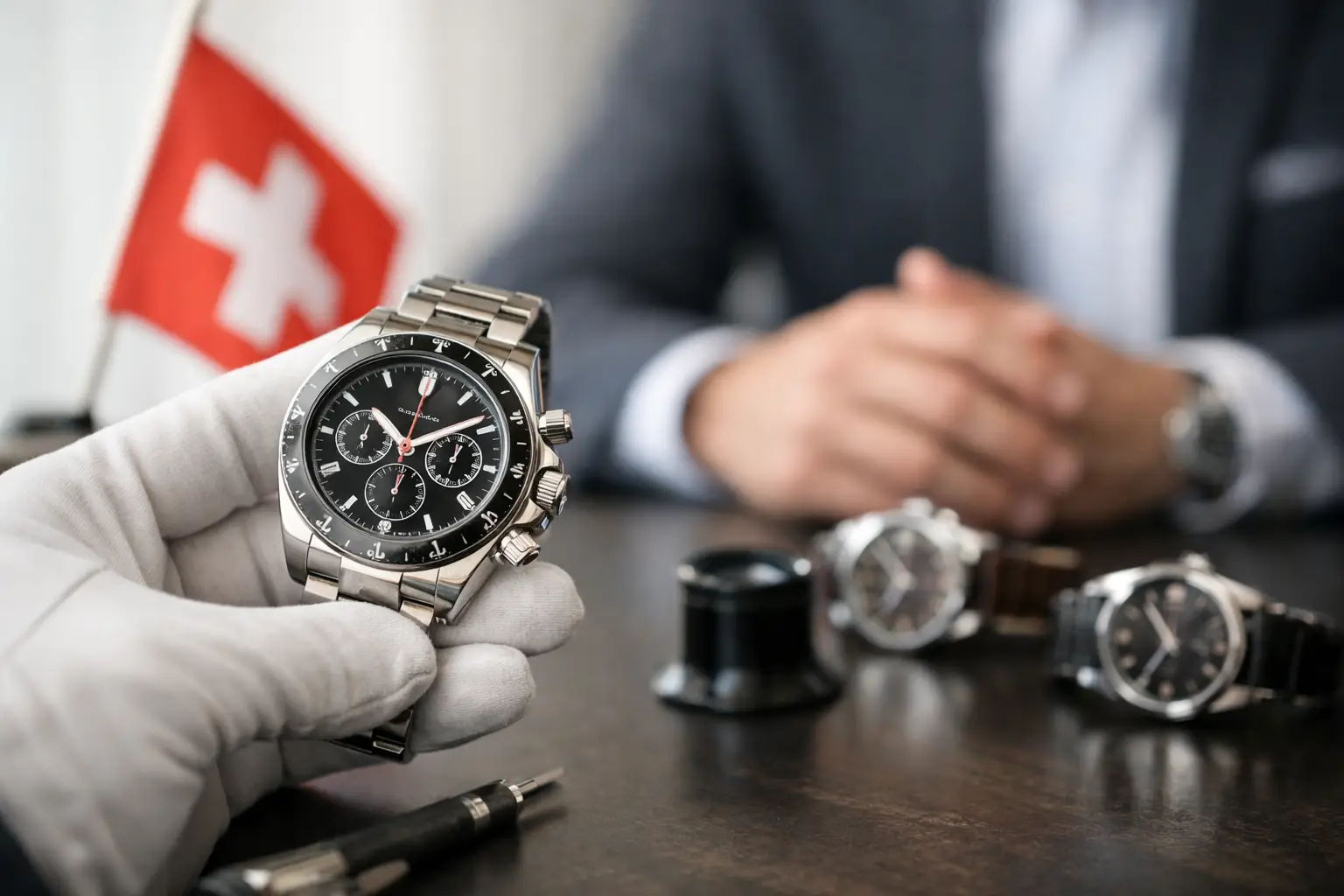
A proper inspection should assess the movement, case, dial, bracelet, serial and reference markings, and water resistance where applicable. It should also identify whether key components are original and appropriate to the model. Warranty protection and a clean, disclosed history offer meaningful reassurance when purchasing a substantial timepiece online.
This is where the seller matters as much as the watch. Buy from a specialist that is prepared to stand behind authenticity and condition, provide clear product information, and answer specific questions before the transaction. Lux-Watch centers its selection process on authenticated luxury timepieces, original packaging where available, and inspection standards that address accuracy, condition, and history.
Consider Rarity Alongside Demand
Low production numbers can be attractive, but rarity alone does not create collector value. The market tends to favor watches that combine scarcity with strong design, historical relevance, brand recognition, and a committed collector community.
A discontinued Patek Philippe or Audemars Piguet reference may command attention because it represents a meaningful chapter in the brand’s design language. An obscure limited edition with little lasting demand may be harder to sell, even if fewer examples were produced. The distinction matters if future flexibility is part of your decision.
Look for durable reasons a watch is respected. It may have introduced a notable movement, marked an anniversary, retained a signature case design, or become a defining reference for the brand. These qualities often matter more than a numbered engraving on the caseback.
Understand Price Without Chasing the Lowest One
Compare prices for like-for-like examples. A watch offered at a lower price may lack papers, show significant polishing, need service, include non-original components, or have an unclear history. Conversely, a premium can be justified by an unpolished case, full set, documented service, or exceptional dial condition.
Factor in the full ownership picture: insurance, future maintenance, bracelet sizing, and potential service costs. Mechanical watches are built to be maintained. A complicated perpetual calendar or chronograph can carry higher servicing requirements than a time-only model, which should influence both purchase price and long-term expectations.
Market prices also move. Avoid making a rushed decision because a reference is trending on social media or appears briefly unavailable. Strong collector purchases are made with patience, comparable examples, and a firm understanding of what makes one watch better than another.
Let the Watch Earn Its Place
The most satisfying collections have a point of view. You may build around a single brand, a design era, aviation and racing heritage, precious-metal dress watches, or a balanced group of icons. There is no requirement to follow someone else’s collecting path.
Give the watch a final practical test: would you wear it, care for it, and be comfortable explaining why this specific reference matters? If the answer is yes, you are no longer buying a logo or a price chart. You are choosing a timepiece with permanence, provenance, and a place that is distinctly yours.

Comments are closed