


Breitling vs Omega Chronograph: Which Fits You?
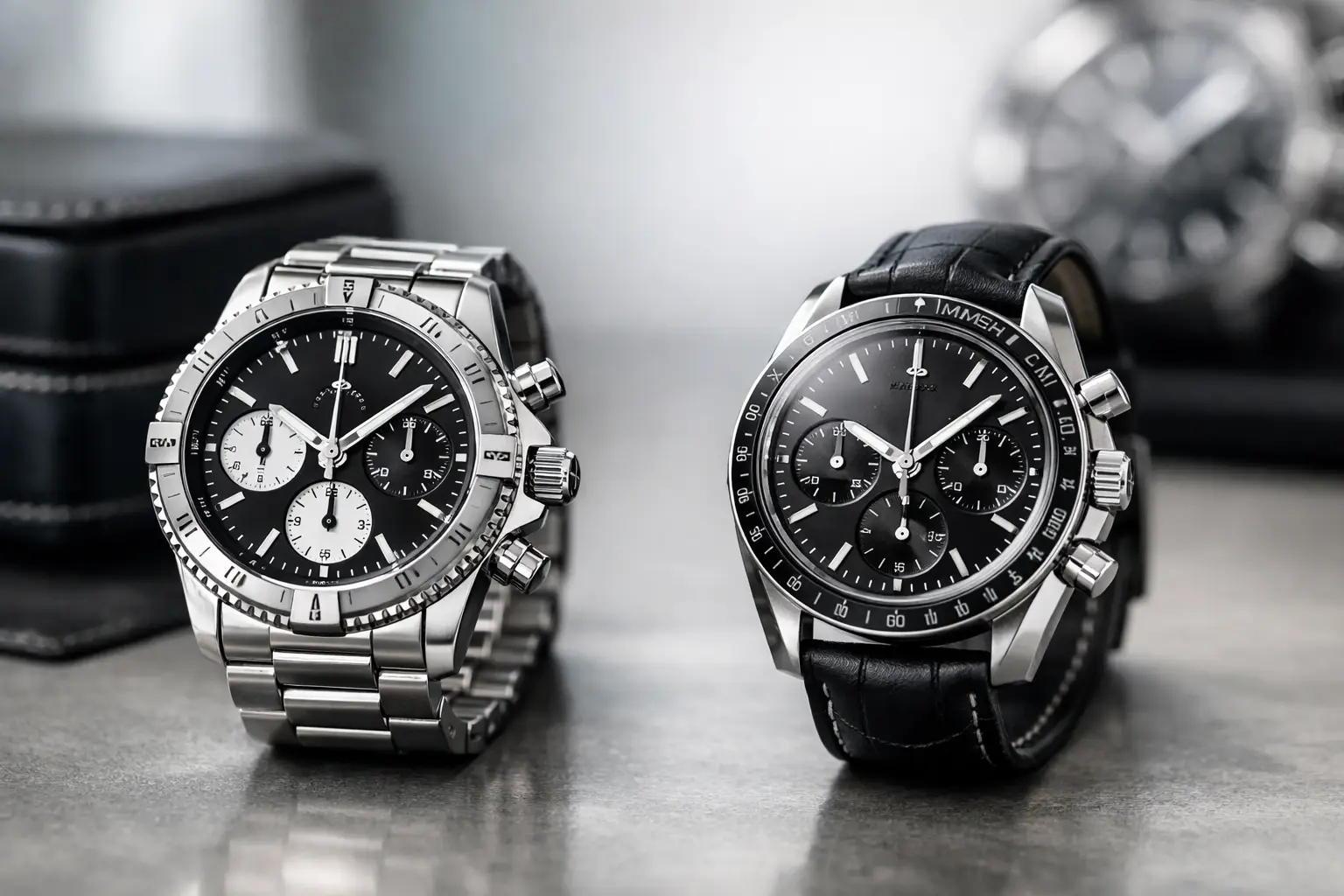
A Breitling vs Omega chronograph comparison is rarely settled by specifications alone. Both names carry serious Swiss watchmaking authority, yet they project very different versions of confidence on the wrist. One leans into aviation instruments, bold architecture, and mechanical presence. The other brings space-age heritage, technical precision, and an unmistakable connection to the Speedmaster legacy.
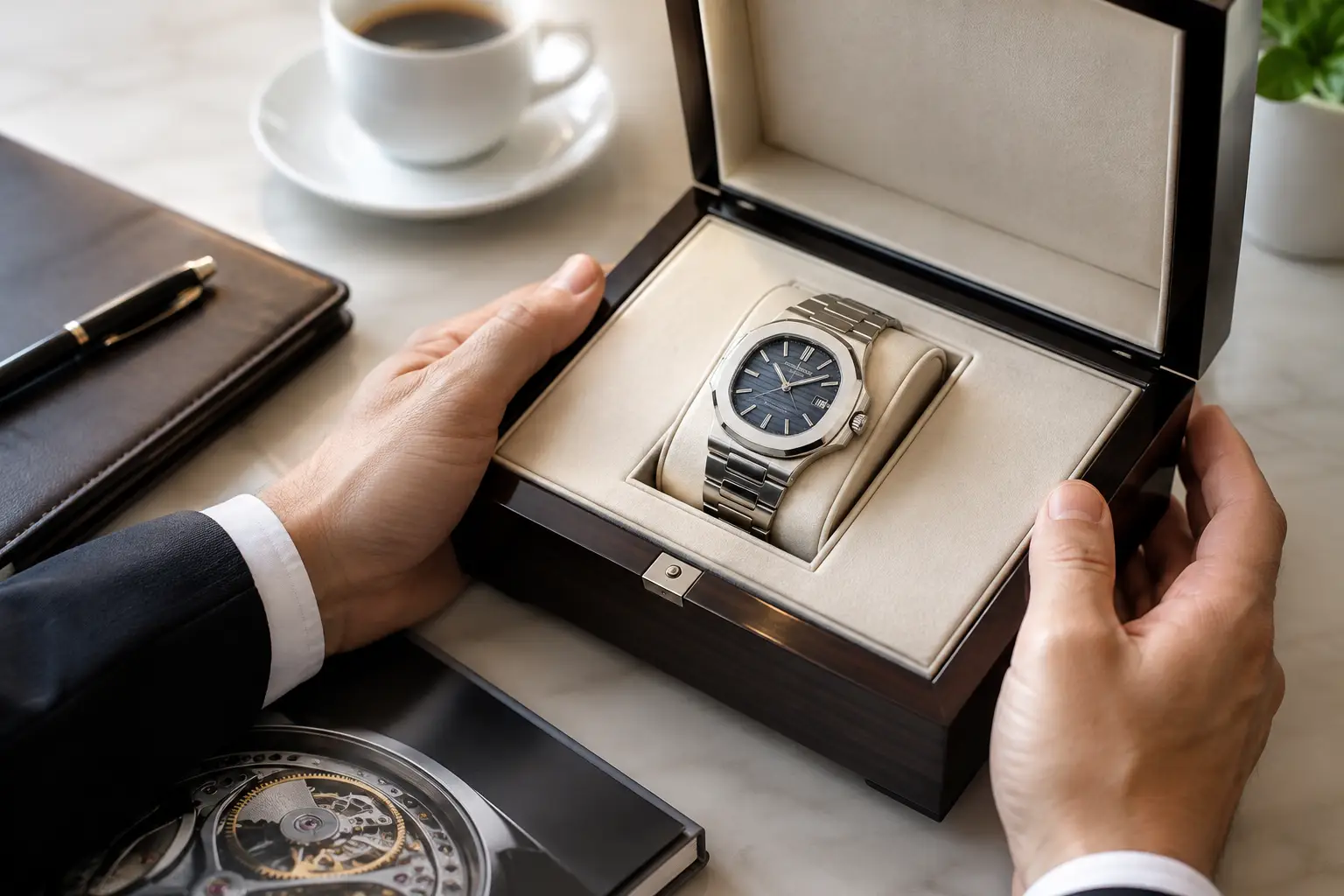
For a collector, professional, or gift buyer, the better choice comes down to the watch you want to wear and the story you want it to tell. The right chronograph should feel as convincing after years of ownership as it does when first seen in its original presentation box.
Breitling vs Omega Chronograph: The Core Difference
Breitling chronographs are built around visibility and purpose. The brand’s strongest designs – especially the Navitimer, Chronomat, and Super Chronomat – tend to have assertive cases, substantial bracelets, detailed dials, and a distinctly masculine sport-luxury character. A Breitling often announces itself before anyone asks what it is.
Omega chronographs are more varied, but the Speedmaster remains the reference point. Its design is historically grounded, visually balanced, and immediately recognizable to enthusiasts without being overly conspicuous. Omega also offers more modern technical expressions through Speedmaster Racing, Dark Side of the Moon, Seamaster Diver 300M Chronograph, and Planet Ocean Chronograph models.
Neither identity is inherently better. Breitling is often the stronger choice for a buyer who wants a bold everyday luxury watch with a commanding wrist presence. Omega is often the more natural choice for someone who values heritage, technical refinement, and a chronograph that moves easily between casual and formal settings.
Heritage That Shapes the Purchase
A chronograph is not merely a complication. At this level, it is a piece of brand history.
Breitling has been closely tied to aviation since the early 20th century and became a defining name in the development of wrist chronographs. The Navitimer, introduced in 1952, remains one of the most recognizable pilot’s watches ever made. Its slide-rule bezel was designed for practical flight calculations, and even buyers who never use it appreciate the technical density it brings to the dial. The Chronomat, meanwhile, has evolved into a signature luxury sports chronograph with a stronger, more contemporary profile.
Omega’s chronograph heritage is inseparable from the Speedmaster Professional. Selected by NASA and worn during the Apollo missions, the Speedmaster earned its place in watchmaking culture through genuine use under extraordinary conditions. The Moonwatch’s significance is not a marketing detail. It is central to its desirability, collector appeal, and lasting design relevance.
If history is the deciding factor, consider the kind of history that resonates with you. Breitling speaks to cockpit instruments, speed, and commercial aviation. Omega speaks to lunar exploration, scientific testing, and one of the most enduring tool-watch designs in luxury watchmaking.
Movement and Technical Character
The movements behind these watches reveal another meaningful difference.
Breitling’s manufacture Caliber B01 is a respected automatic chronograph movement used across key models, including many Chronomat and Navitimer references. It uses a column wheel and vertical clutch, two features associated with refined chronograph operation, and generally offers approximately 70 hours of power reserve. For buyers who prefer the convenience of an automatic watch, the B01 is a persuasive reason to look closely at Breitling.
Omega’s modern Speedmaster Moonwatch uses the hand-wound Caliber 3861. Its manual-wind format is intentional: it preserves the operating character and visual lineage of the classic Moonwatch. The movement also features Omega’s Co-Axial escapement and Master Chronometer certification, with resistance to magnetic fields up to 15,000 gauss. Its power reserve is shorter than the B01’s, at roughly 50 hours, but the daily winding ritual is part of the attraction for many owners.
This is a practical dividing line. If you want to pick up your chronograph after a weekend and wear it immediately, a Breitling B01 model has a clear convenience advantage. If you appreciate direct interaction with a mechanical movement and want the closest modern expression of the Moonwatch tradition, the Omega 3861 is difficult to replace.
It is also worth avoiding broad assumptions. Omega produces automatic chronographs with advanced in-house calibers, while Breitling offers models powered by different movements depending on the collection and reference. Always evaluate the exact watch, not just the logo on its dial.
Design, Size, and Daily Wear
On the wrist, Breitling usually feels more extroverted. Polished surfaces, rider tabs, rouleaux-style bracelets, colorful dials, and larger case proportions are common across the brand’s contemporary catalog. A Chronomat B01 42, for example, has the weight and visual confidence expected from a modern luxury sports watch. It is ideal for a buyer who wants their watch to be noticed.
The Navitimer is more specialized. Its dial is busy by design, and the slide-rule scale creates visual depth that collectors either love immediately or find too complex. It suits a buyer who values character over minimalism and is comfortable with a watch that invites a second look.
The Speedmaster Professional is more restrained. Its asymmetrical case, black stepped dial, tachymeter bezel, and three-register layout have changed very little because they did not need to. At around 42mm, it wears with surprising versatility, particularly on a leather strap. It can sit under a jacket cuff more easily than many larger sports chronographs while retaining unquestionable presence.
For daily use, try to think beyond case diameter. Case thickness, lug-to-lug length, bracelet construction, and total weight matter just as much. Breitling can be exceptionally comfortable, but many models feel more substantial. Omega’s Speedmaster is generally the easier choice for a buyer seeking an all-occasion chronograph with a lower-profile silhouette.
Value Retention and Collector Appeal
Neither Breitling nor Omega should be chosen solely as a short-term investment. Luxury watches are subject to changing demand, condition, originality, servicing needs, and the availability of specific references. That said, Omega’s Speedmaster Professional tends to benefit from consistently deep collector recognition and a global market that understands its significance.
The strongest Breitling models hold appeal for a different reason: distinctive design and long-standing association with aviation. Limited editions, discontinued references, vintage Navitimers, and desirable B01-equipped models can attract dedicated attention. However, Breitling’s catalog is broad, so performance varies materially from one reference to another.
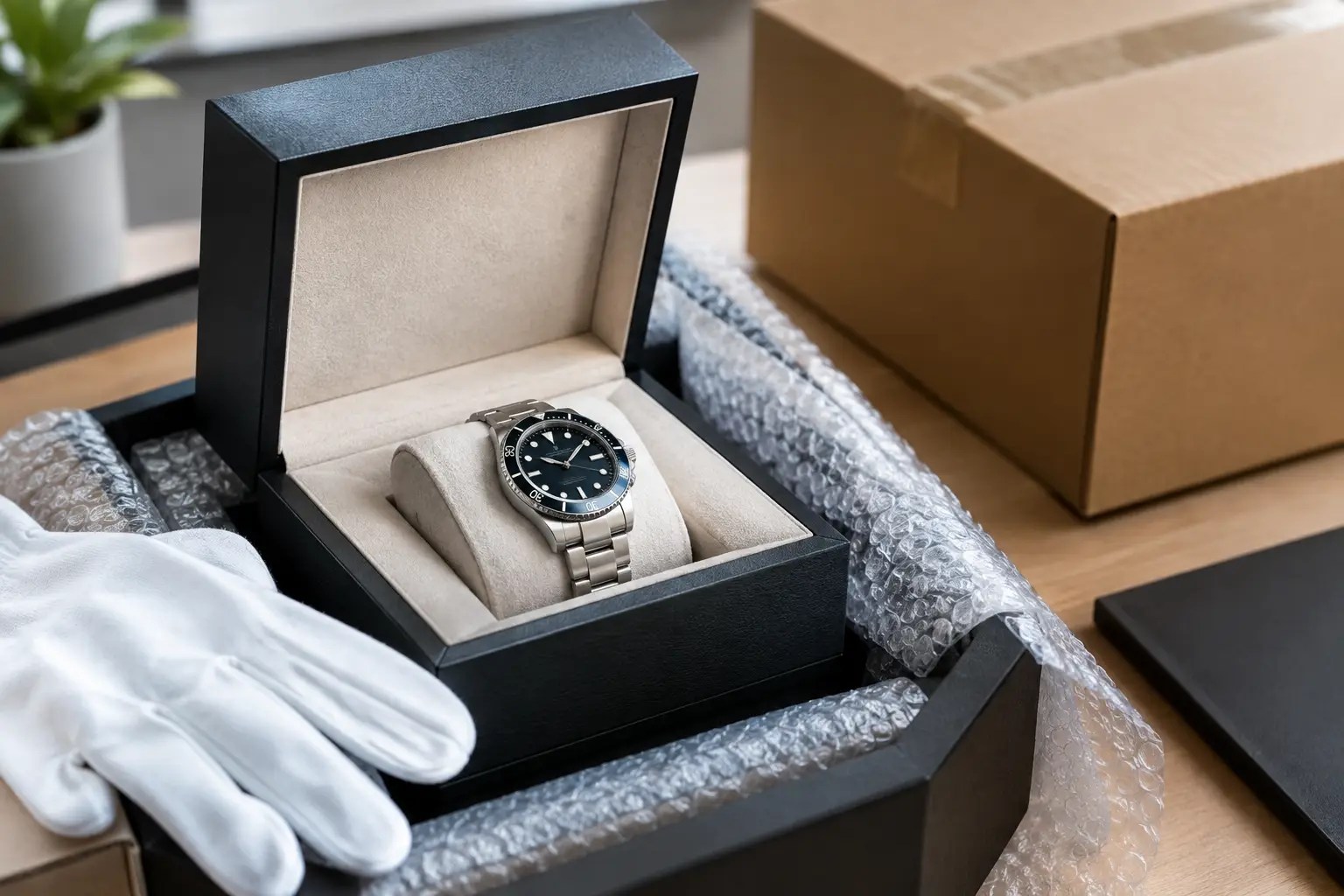
Condition and completeness matter with either brand. An original box, papers, warranty documentation, correct bracelet or strap, and clean service history can influence buyer confidence and future resale potential. A watch that has been heavily polished, fitted with incorrect parts, or offered without clear provenance deserves closer scrutiny, no matter how attractive its price may appear.
Which Chronograph Is Right for You?
Choose a Breitling if you want a statement piece with strong mechanical presence, automatic convenience, and an aviation-inspired identity. The Chronomat is especially compelling for a buyer who wants one substantial luxury sports watch, while the Navitimer offers a more technical and iconic pilot-watch experience.
Choose an Omega if you want a chronograph with exceptional historical credibility, understated design strength, and broad collector recognition. The Speedmaster Moonwatch is the natural choice for buyers who value heritage and are willing to embrace a manual-wind movement. For those who want a more contemporary Omega, the brand’s automatic chronographs provide additional features and a sportier profile.
The best purchase is not the chronograph that wins the most comparisons. It is the one whose proportions, movement, history, and condition make sense for your collection and your life. At this price level, confidence matters as much as preference: verify authenticity, inspect condition, confirm water-resistance status, and make sure the watch is backed by clear warranty protection. A properly authenticated Breitling or Omega should feel like a lasting acquisition, not a question waiting to be answered.


Comments are closed