


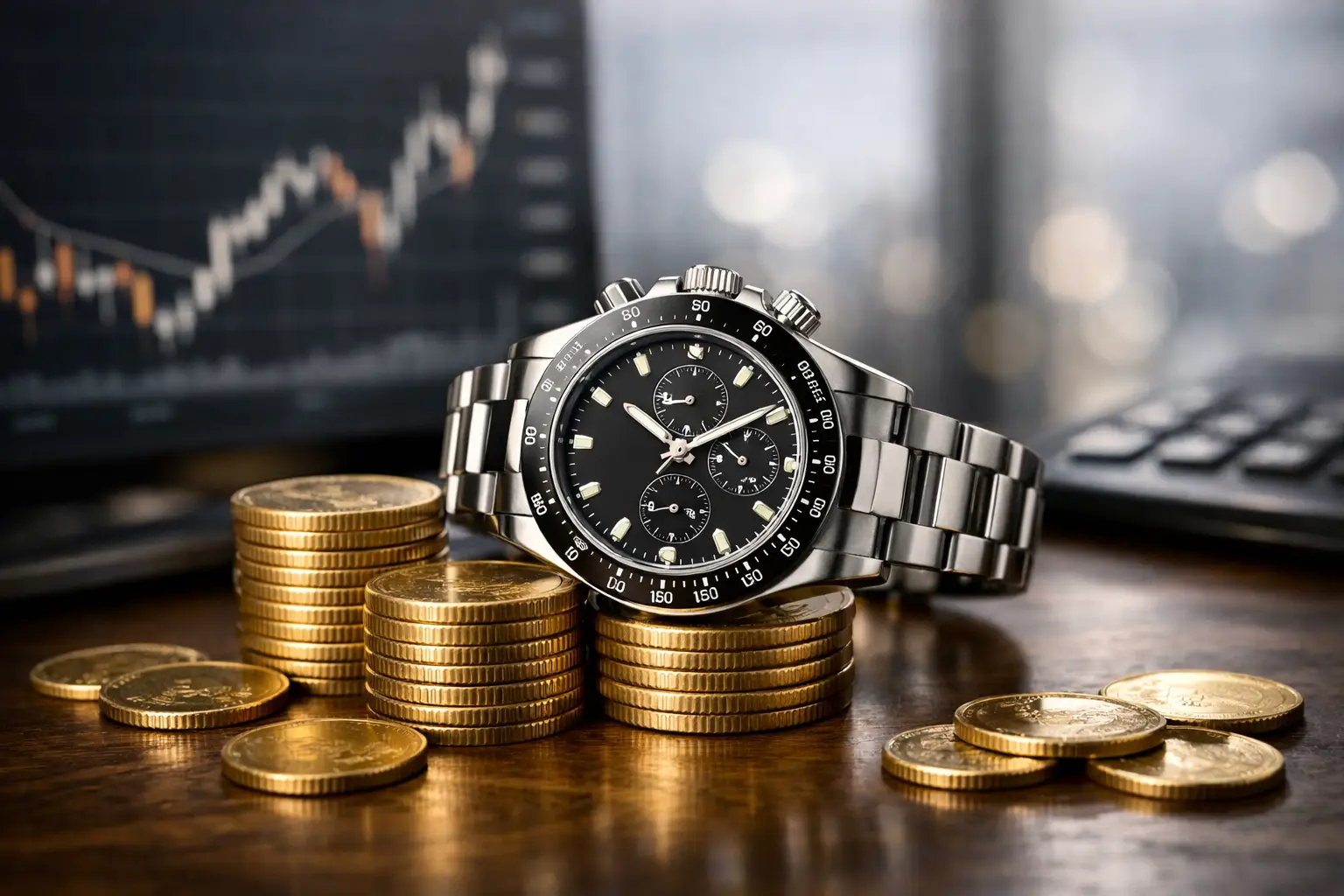
Are Luxury Watches Good Investments?
A stainless steel sports watch can sell for more pre-owned than it did at retail, while a gold dress watch from an excellent maker may lose value the moment it changes hands. That is why the real answer to are luxury watches good investments is not a simple yes or no. Some are. Many are not. And the difference usually comes down to brand strength, model demand, originality, condition, and how disciplined the buyer is on price.
For serious buyers, the better question is not whether watches can appreciate. It is whether a specific watch, bought at a specific price, has the qualities that tend to protect value over time. In the luxury market, that distinction matters.
Are Luxury Watches Good Investments or Expensive Accessories?
Luxury watches sit in an unusual category. They are wearable objects, status symbols, mechanical achievements, and in certain cases, hard assets with durable market demand. That mix is exactly what makes them attractive. You are not buying a spreadsheet entry. You are buying craftsmanship, heritage, and in the strongest cases, something the market continues to chase years after release.
Still, they should not be treated like guaranteed financial products. Unlike stocks or bonds, watches do not generate income. They also come with friction – insurance, servicing, taxes, dealer spreads, and the reality that market sentiment can shift. A watch may hold value well and still be a mediocre investment if you overpay or buy a reference with weak resale demand.
The strongest way to think about a luxury watch is as a passion asset first and a potential store of value second. If it appreciates, that is a benefit. If it holds most of its value while you enjoy owning it, that can also be a strong outcome.
What Makes a Luxury Watch More Likely to Hold or Gain Value
Not every respected Swiss brand performs the same way on the secondary market. Even within the same brand, one reference may have a waiting list mentality behind it while another trades at a discount for years.
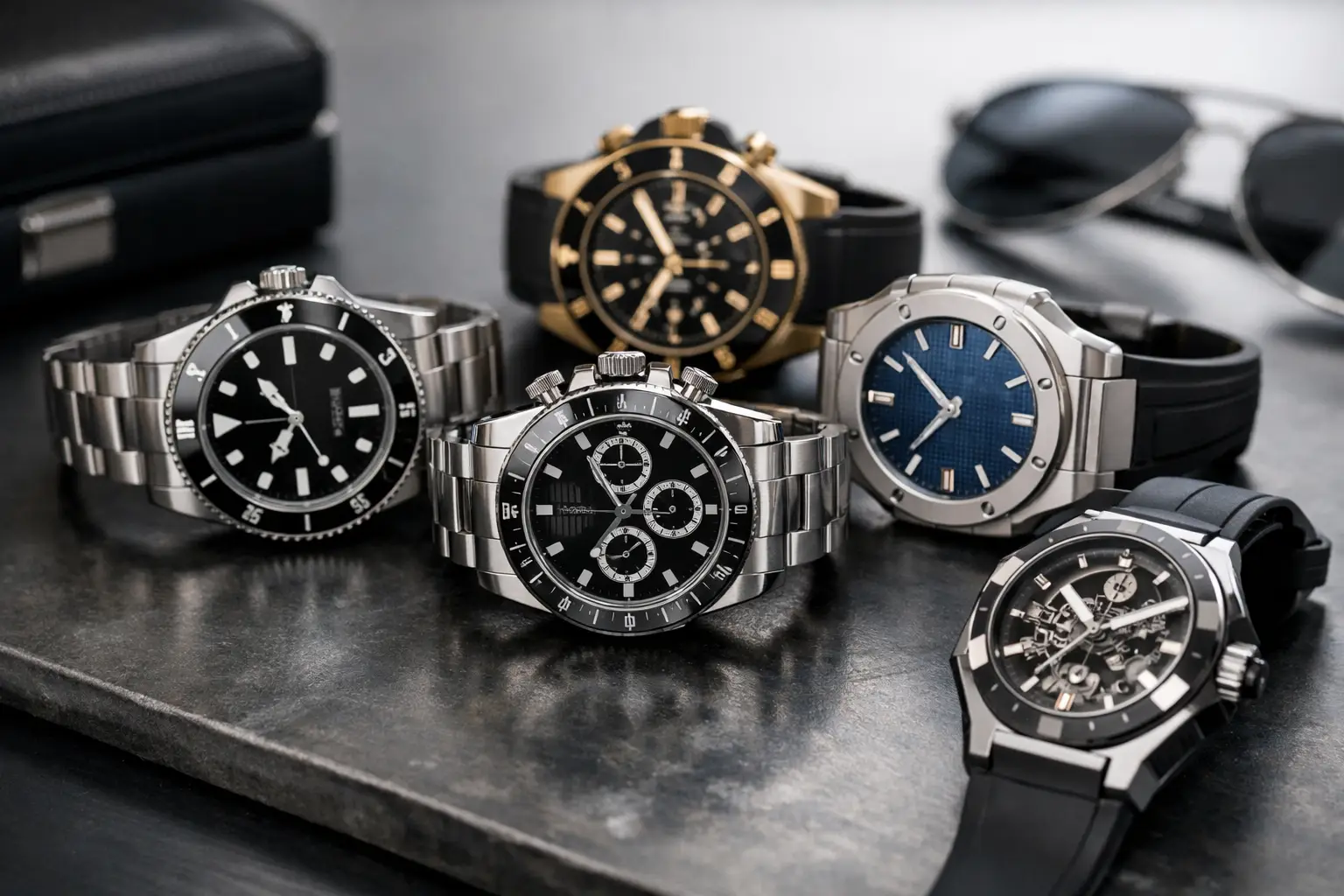
Brand power matters first. Rolex, Patek Philippe, and Audemars Piguet have built exceptional pricing strength because demand is global, supply is controlled, and the designs are immediately recognizable. Certain models from Omega, Cartier, Panerai, Richard Mille, and Breitling also perform well, but usually in a more reference-specific way.
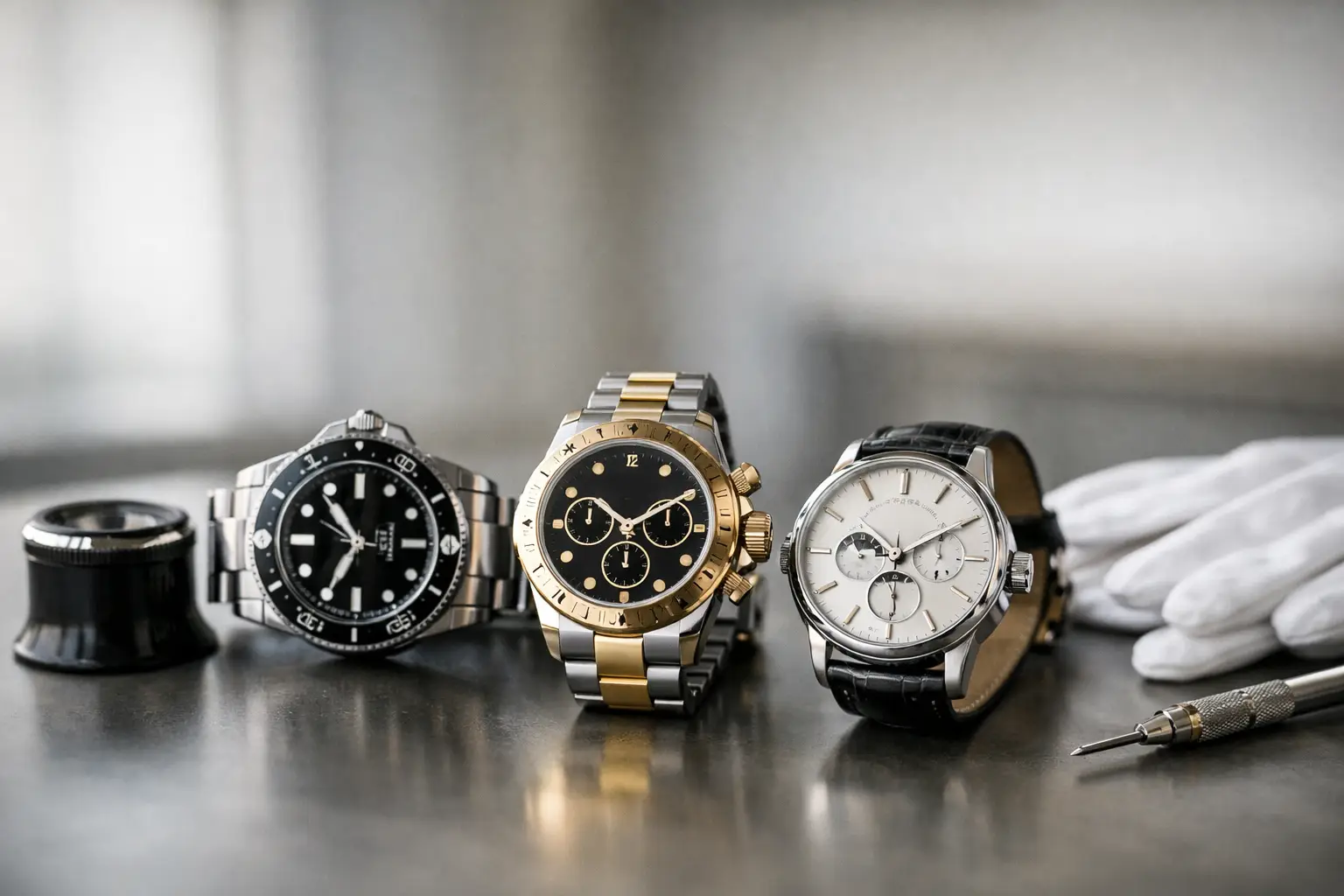
Model demand is just as important as the logo on the dial. A Patek Philippe Nautilus, Audemars Piguet Royal Oak, Rolex Daytona, Rolex Submariner, or Omega Speedmaster has a very different market profile than a less iconic reference from the same manufacturer. Buyers pay for proven desirability.
Condition has a direct impact on investment potential. A sharply preserved case, clean dial, correct hands, and strong bracelet condition will always be more appealing than a polished, over-restored, or incomplete example. Original box and papers can also support resale value, especially in high-demand references where buyers want full confidence in provenance.
Scarcity plays a role, but only when paired with real demand. Limited edition does not automatically mean valuable. Plenty of limited watches remain easy to find and hard to sell. True market strength comes from the combination of low availability and broad collector interest.
The Brands and Models That Usually Lead the Conversation
If someone asks are luxury watches good investments, the market usually points to a familiar group of names.
Rolex remains the benchmark because it combines brand recognition, durable demand, and a wide range of liquid references. Sports models in steel have historically led the conversation, though not every Rolex rises and not every era performs equally well.
Patek Philippe sits at the highest end of traditional prestige. Select references, especially in flagship lines, benefit from deep collector demand and long-term brand authority. That said, entry price is high, and the wrong reference can tie up significant capital without delivering standout returns.
Audemars Piguet, particularly Royal Oak and Royal Oak Offshore models, has shown how design identity can support value in a powerful way. Buyers know what they are looking at immediately, and that recognition matters in luxury resale.
Omega deserves a more measured view. The Speedmaster has broad recognition and a strong enthusiast base, making some references more resilient than many buyers expect. But Omega overall is less uniform as an investment category than Rolex. Selection matters much more.
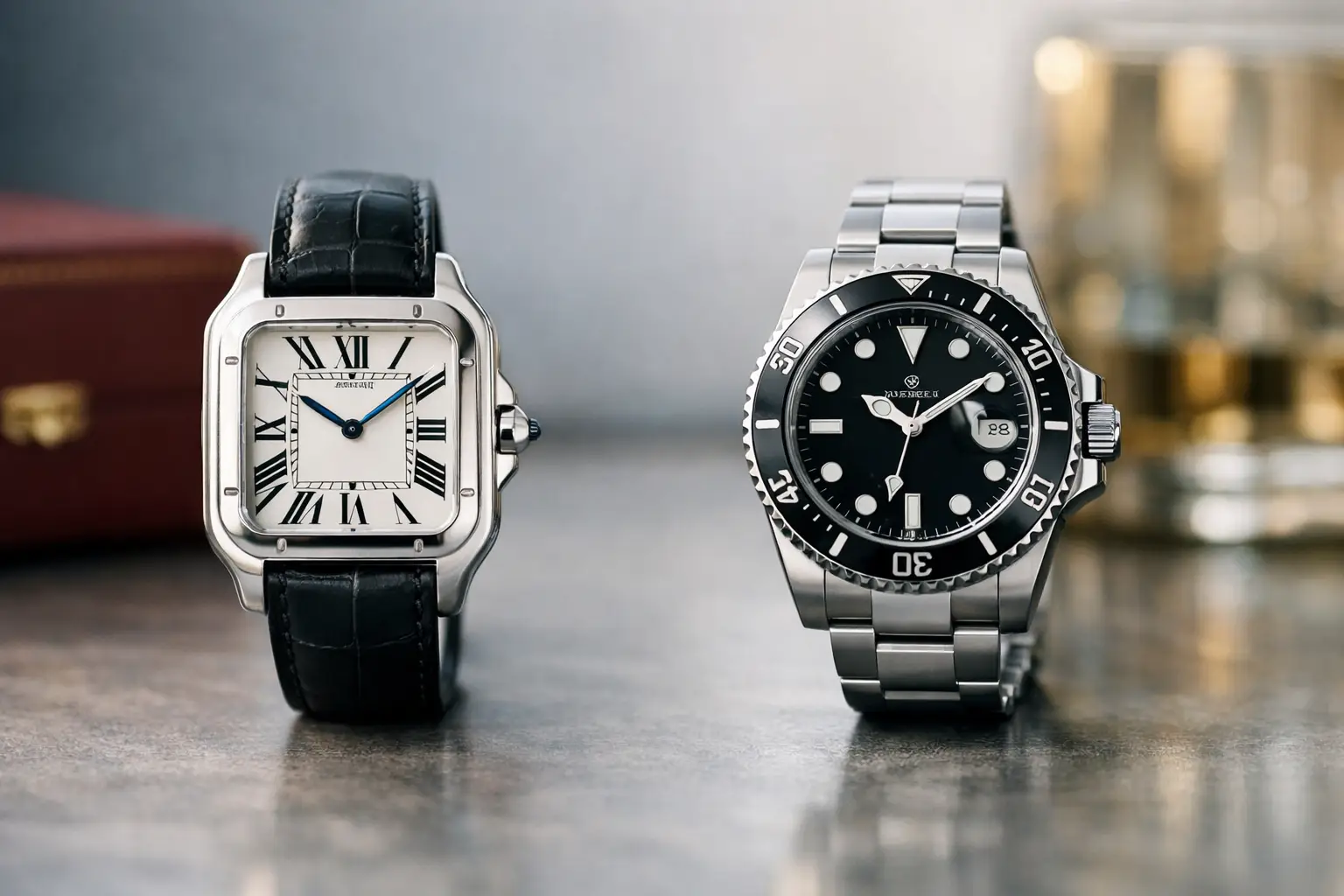
Cartier has become increasingly important in this discussion. Certain Tank, Santos, and other signature models benefit from both fashion relevance and deep historical credibility. They may not behave like steel sports hype pieces, but the strongest Cartier references have real staying power.
Why Some Watches Underperform
The simplest reason is overproduction relative to demand. If a watch is easy to buy at retail and common on the resale market, there is little pressure pushing prices upward.
The second issue is paying too close to the top of the market. Luxury watch values can move in cycles. Buyers who entered during a surge often learned that even excellent watches can correct sharply when speculative demand fades.
The third problem is weak buying discipline. A watch with service parts, missing papers, questionable polish, replaced dial elements, or unclear ownership history may look attractive on price, but the discount exists for a reason. In a category built on trust, uncertainty costs money.
That is why authentication and condition review are not just transactional details. They are value-protection measures. A watch with verified authenticity, accurate inspection, clean history, and warranty support is easier to own and easier to sell later.
Buying for Enjoyment Versus Buying for Return
There is nothing wrong with buying a luxury watch simply because you want to wear it. In fact, that is often the smartest mindset. When a buyer chooses a watch they genuinely value, they are less likely to panic during short-term market swings.
Pure investment buying can work, but it requires more precision. You need a strong entry price, a clear sense of current market sentiment, and a realistic exit horizon. You also need to accept that liquidity is not instant. Even highly desirable pieces may take time to sell at the number you want.
For most affluent buyers, the best balance is to target watches with proven resale strength while still choosing something they would be pleased to keep. That turns the purchase into a luxury asset with personal utility, not just speculation.
How to Buy More Strategically
The first rule is simple: buy the right watch, not just a famous brand. An iconic reference in excellent condition is usually a stronger play than a less desirable model from a top-tier maker.
The second is to prioritize trust. In the high-end secondary market, authenticity claims must be backed by inspection, documentation, and seller credibility. Original packaging, warranty protection, condition checks, water resistance testing, and a clean history all contribute to buyer confidence and future resale appeal.
The third is to understand pricing before you commit. A watch can be objectively desirable and still be a poor investment if the asking price leaves no room for the market to work in your favor. Patience often protects capital.
The fourth is to think long term. Short flips are harder than they look, especially after fees and taxes. Buyers who do best usually focus on enduring models with stable collector demand rather than chasing temporary heat.
So, Are Luxury Watches Good Investments?
They can be, but only under the right conditions. The strongest investment candidates tend to come from elite brands with lasting market authority, come in sought-after references, and are purchased in excellent original condition from a trusted source. Even then, there are no guarantees.
For buyers who value prestige, craftsmanship, and the confidence of owning something with proven demand, a carefully selected luxury watch can be a smart place to put money. It may not outperform traditional investments every time, but it can preserve value far better than most luxury purchases while offering something those assets never will – the satisfaction of wearing it.
If you are buying at this level, confidence matters as much as the watch itself. The right piece, backed by authenticity, condition assurance, and disciplined pricing, gives you the best chance to enjoy the purchase now and feel good about it years from today.

Comments are closed